

Roof Repair in Albuquerque, Without the Replacement Sales Pitch
Not every roof problem needs a full replacement. We'll tell you when a repair is the right call, even though replacement is a bigger job for us.
On this page
Common Repairs
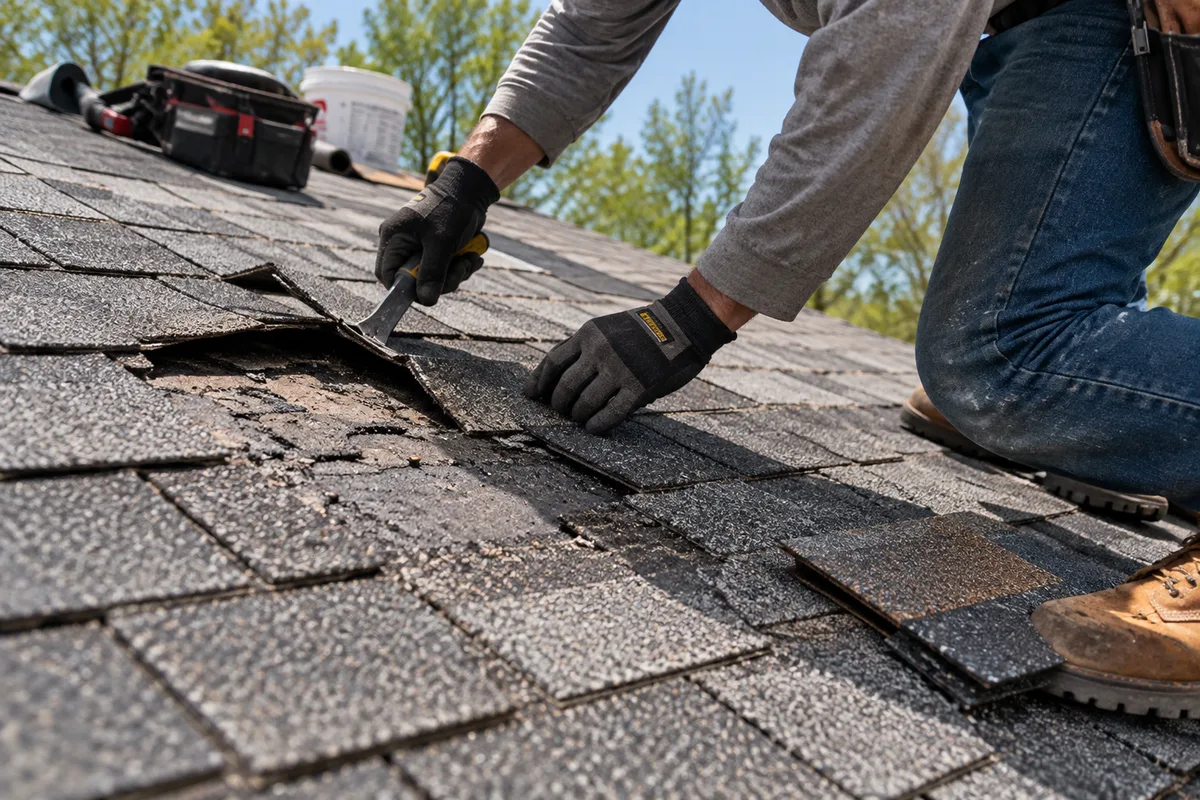
Leaks, damaged flashing, and ventilation issues are often fixable without a full tear-off. Most of what we get called about falls into a short list, and most of it doesn't require replacing the roof. To see where each of these parts sits on your roof, check out our parts of a roof guide.
- Leak diagnosis and repair: finding the actual entry point, not the stain
- Flashing repair around chimneys, vents, skylights, and wall transitions
- Pipe boot replacement: one of the most common failure points we see on asphalt shingle roofs
- Ventilation fixes, often the underlying cause rather than the symptom
- Storm-related shingle or tile damage, including wind-broken seals that leave no visible gap
Why Finding the Leak Is the Hard Part
The repair itself is usually simple. Finding what to repair is where the skill comes in, because water almost never enters the roof directly above where it appears inside.
Water gets through the roof, then travels along rafters, down decking seams, across insulation, even following electrical wiring, until it finds the first place to drop. Horizontal roof boards can carry it as far as ten feet from the actual entry point. That's why the ceiling stain in your hallway may have nothing to do with the section of roof directly above it, and why patching what's above the stain is how a roof gets "repaired" three times without the leak ever stopping.
A few sources account for most residential leaks: flashing, penetrations such as vents and pipe boots, and the shingles and underlayment themselves. Pipe boots deserve specific mention. The rubber collar around plumbing vents dries and splits under this much UV, and on an asphalt roof it commonly fails somewhere between year eight and year fifteen, well before the shingles are done. It's a small part that causes a large stain.
When the entry point isn't obvious, a controlled water test settles it. One person runs water over the roof in stages, starting low and working upward one section at a time, while someone watches inside for the moment it appears. That isolates the source instead of guessing at it.
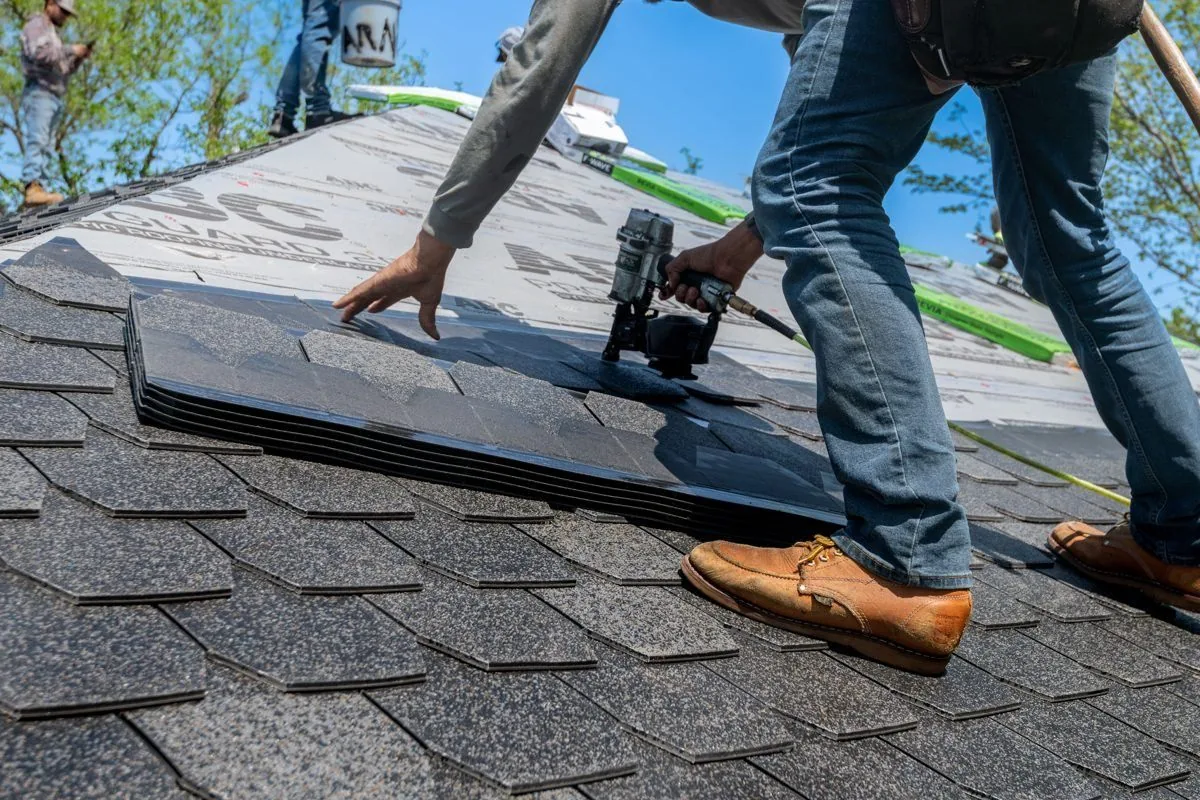
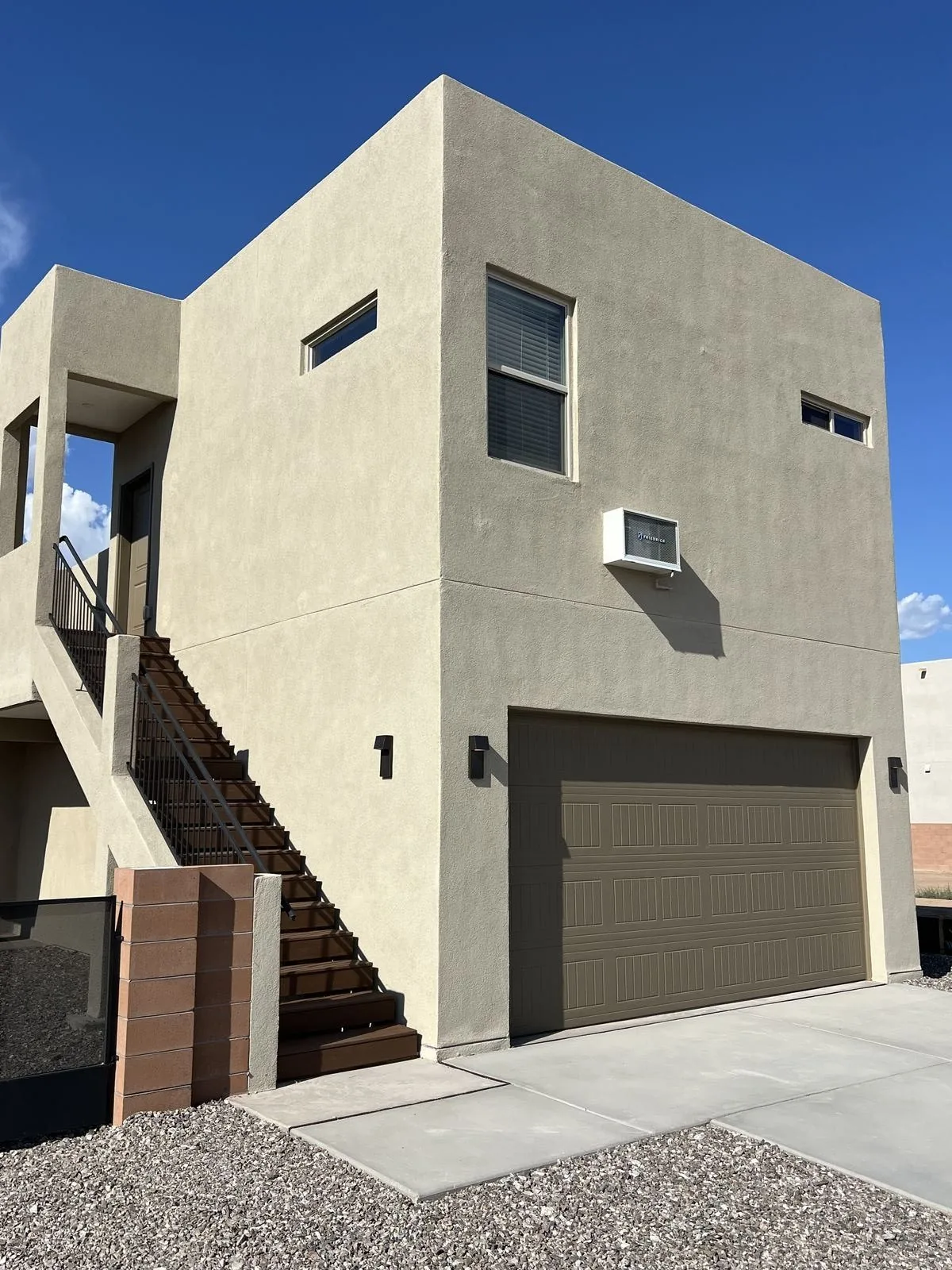
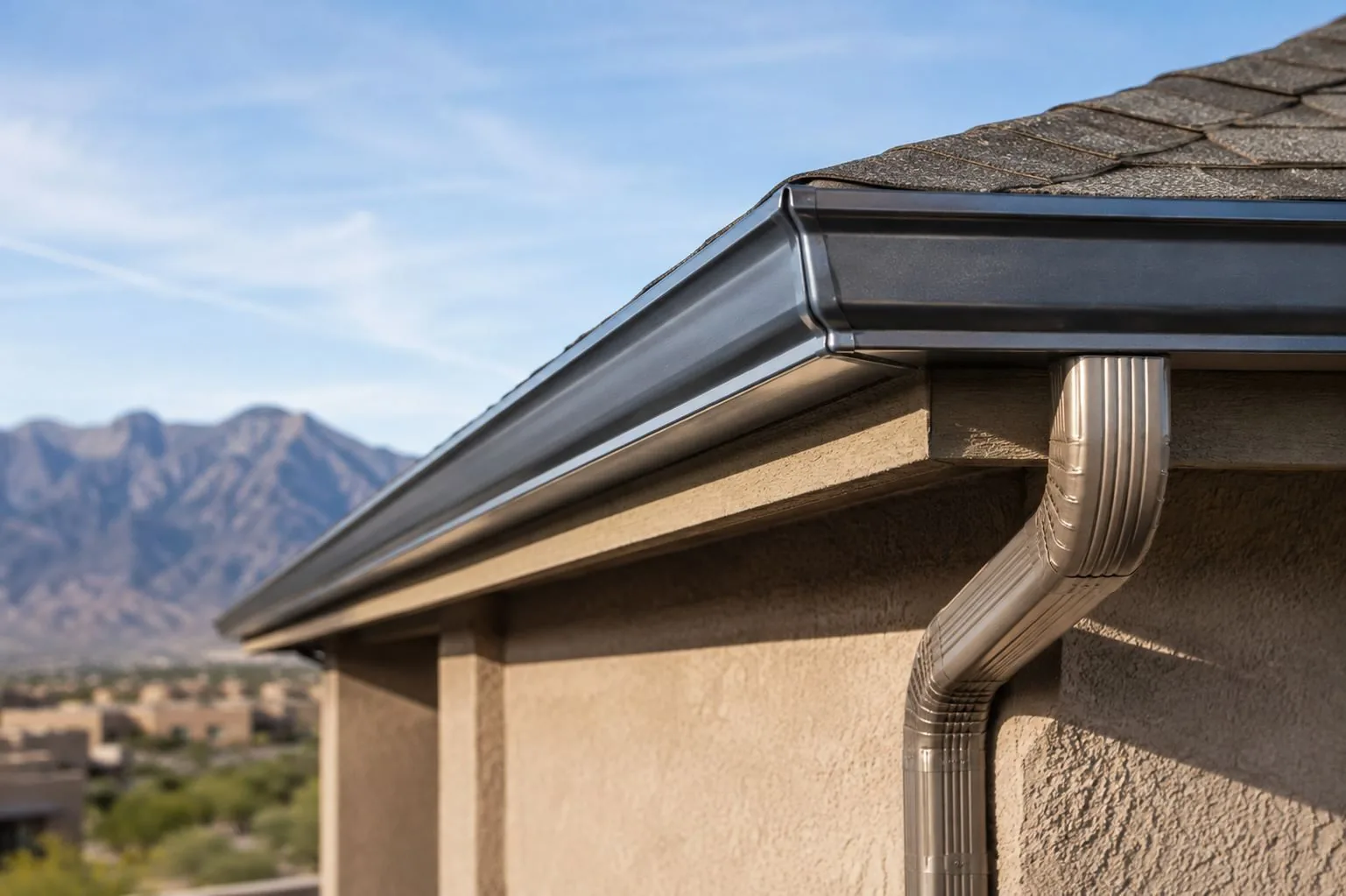
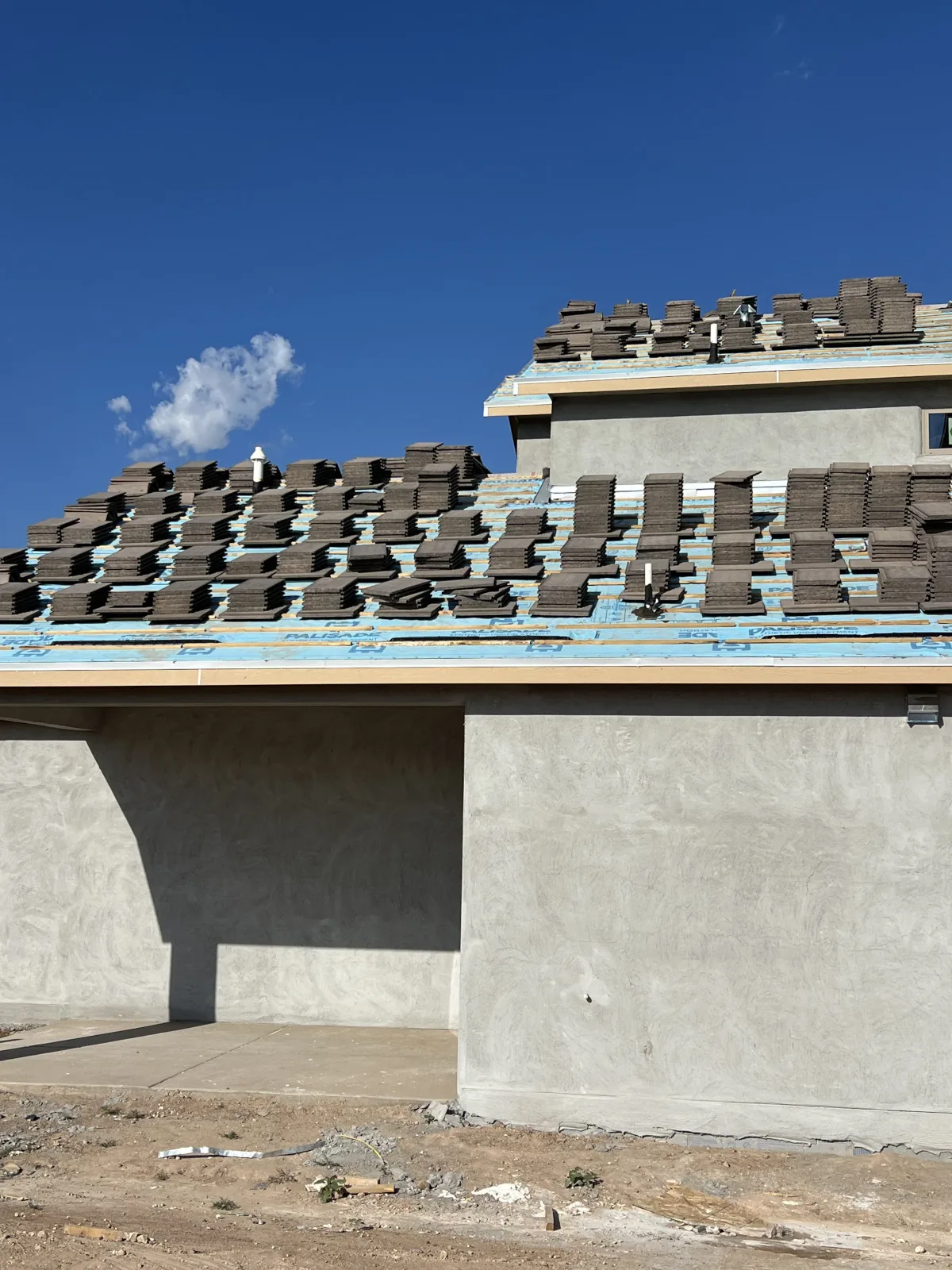
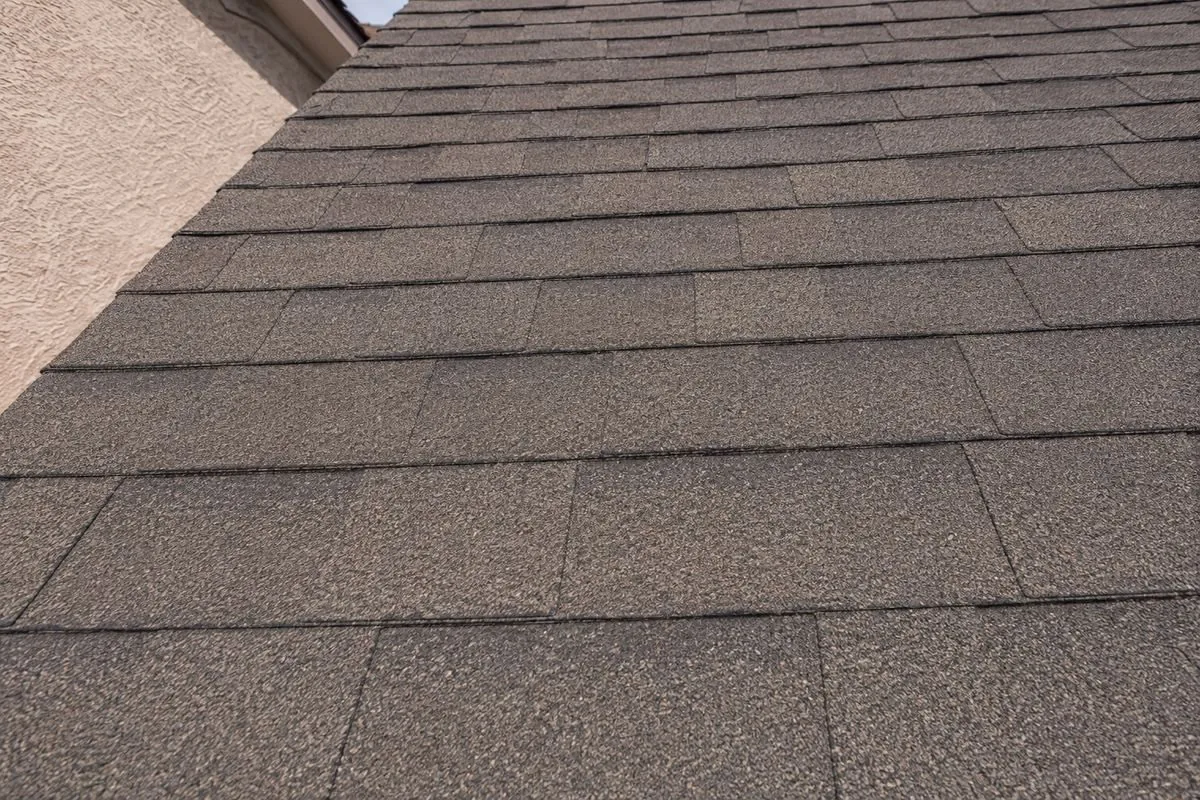
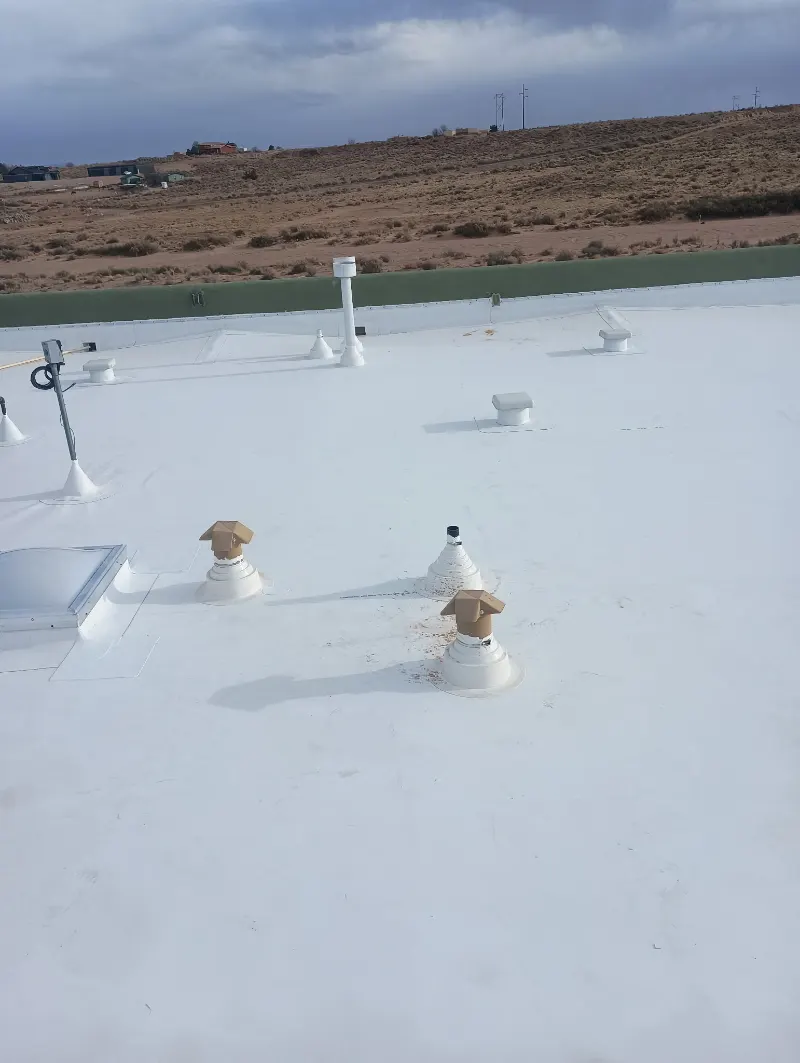
Examples of roof repair work
Repair or Replace? How to Decide
We'd rather repair your roof than sell you a new one you don't need. We'd also rather tell you plainly when a repair is throwing money at a roof that's finished. Two industry rules of thumb make this concrete.
If it’s time to replace, we install a complete GAF system as a GAF Certified contractor. See why we install GAF.
The extent rule. Damage affecting roughly 30 percent of the roof or less is generally repairable. Past that, replacement is usually the realistic answer. Many jurisdictions also set a code threshold in that range that forces the issue on a permitted job, so it's worth confirming what applies to your specific permit.
The cost rule. If a repair quote runs more than about 30 percent of what full replacement would cost, replacement is usually the better financial decision. The repair buys you whatever is left of an aging system; the replacement buys you a new one.
Age shifts the burden of proof. Under fifteen years with isolated damage, like a few missing shingles or one failed pipe boot, repair is almost always the right money. Once a roof is into the last quarter of its expected life, repair has to clearly win rather than merely be possible. Our repair versus replacement guide walks through the decision in more detail, and the cost guide covers what drives the numbers on either path. If you're seeing several problems at once, check our list of signs you need a new roof.
What a Repair Buys You in This Climate
Any repair conversation in Albuquerque has to account for how roofs age here. At over a mile of elevation the UV load is higher than most of the country, and the daily swing between hot afternoons and cold nights expands and contracts every component on the roof, every day, all year.
The practical effect is that materials here often reach the lower-to-middle end of their rated lifespan rather than the upper end, and that failures cluster. When one pipe boot has split from UV exposure, the others on the same roof are the same age and have taken the same sun. Fixing one and ignoring the rest is how you end up calling a roofer three times in two years.
So when we quote a repair, we'll tell you what else on that roof is close behind it. That isn't an upsell. It's what you need to know to decide whether you're buying two more years or ten.
Roof Leak Repair
Most leak calls start with a ceiling stain, and the stain is rarely under the actual entry point. Water travels along rafters, decking seams and insulation before it drops, so we trace it back to where it gets in. That's usually flashing, a penetration like a vent or pipe boot, or the shingles and underlayment themselves. When the source isn't obvious, a controlled water test isolates it one section at a time.
Once we find the entry point, the fix is often small: new flashing, a replacement pipe boot or a section of new shingles. If a leak is active, call at the first sign of water, especially during monsoon season when every roofer in the metro is busier. Our roof leak repair page covers how we find and fix leaks in more detail.
Flat Roof Repair
Flat and low-slope roofs leak for different reasons than pitched roofs. They rely on drainage design to shed water, and ponding water, meaning water that sits for more than 48 hours after rain, is one of the most common causes of flat roof failure in Albuquerque. Before we patch a membrane, we check the slope and the drain and scupper placement, because a patch that leaves standing water in place is likely to fail again by the next monsoon.
On a TPO roof, the membrane is heat-welded into one continuous surface, so a separated seam is the failure point we check first. Modified bitumen takes wear from foot traffic, and a membrane that's still structurally sound can sometimes be extended with a coating instead of a full tear-off. See flat and low-slope roof systems for how we choose between them, and TPO roofing for how the seams are built.
Frequently Asked Questions
How fast can you respond to a leak?
Response time depends on current scheduling. Call and we'll give you a real answer rather than a promise we can't keep. Active and urgent leaks get priority, and during monsoon season every roofer in the metro is busier, which is why you should call at the first sign of water rather than waiting.
Why is the leak showing up far from where the damage is?
Because water travels before it drops. Once it gets through the roof it runs along rafters, decking seams, insulation, and even wiring until it finds the first opening. Horizontal roof boards can carry it as much as ten feet from the actual entry point. That's why patching directly above a ceiling stain is how a roof gets repaired repeatedly without the leak ever stopping.
When does a repair stop making sense?
Two rules of thumb make it concrete. If damage affects more than roughly 30 percent of the roof, replacement is usually the realistic answer. And if a repair quote runs more than about 30 percent of what full replacement would cost, replacement is generally the better financial decision. The repair buys you what's left of an aging system. The replacement buys you a new one.
Will you tell me if I actually need a replacement instead?
Yes, and the reverse too. We'll tell you when a roof other people have written off can be repaired. Under fifteen years old with isolated damage, repair is almost always the right money. Once a roof is into the last quarter of its expected life, repair has to clearly win rather than just be possible.
Do repairs affect my warranty?
It depends on the original installer and the specific warranty terms, so we review that with you before starting. Manufacturer material warranties and installer workmanship warranties are two different things with different rules, and work done by someone other than the original installer can affect the second one more than the first.
Ready for a Free Roof Report?
It's free, and you're under no obligation. You'll know exactly where your roof stands.