

Storm Damage Roof Repair in Albuquerque: Hail and Wind Damage Documented for Your Insurer
Monsoon season brings real hail and wind risk to Albuquerque roofs. We inspect carefully and document what we find, the kind of documentation that holds up in an insurance claim.
On this page
What We Look For
Storm damage assessment is a specific process, and it takes more than a glance. The key is separating damage a storm caused from wear a roof picked up on its own, because only one of those is a claim.
When storm damage means a new roof, we install a complete GAF system as a GAF Certified contractor, with Class 4 impact-rated GAF options for hail-prone areas and GAF’s WindProven™ wind warranty when the full system goes on.
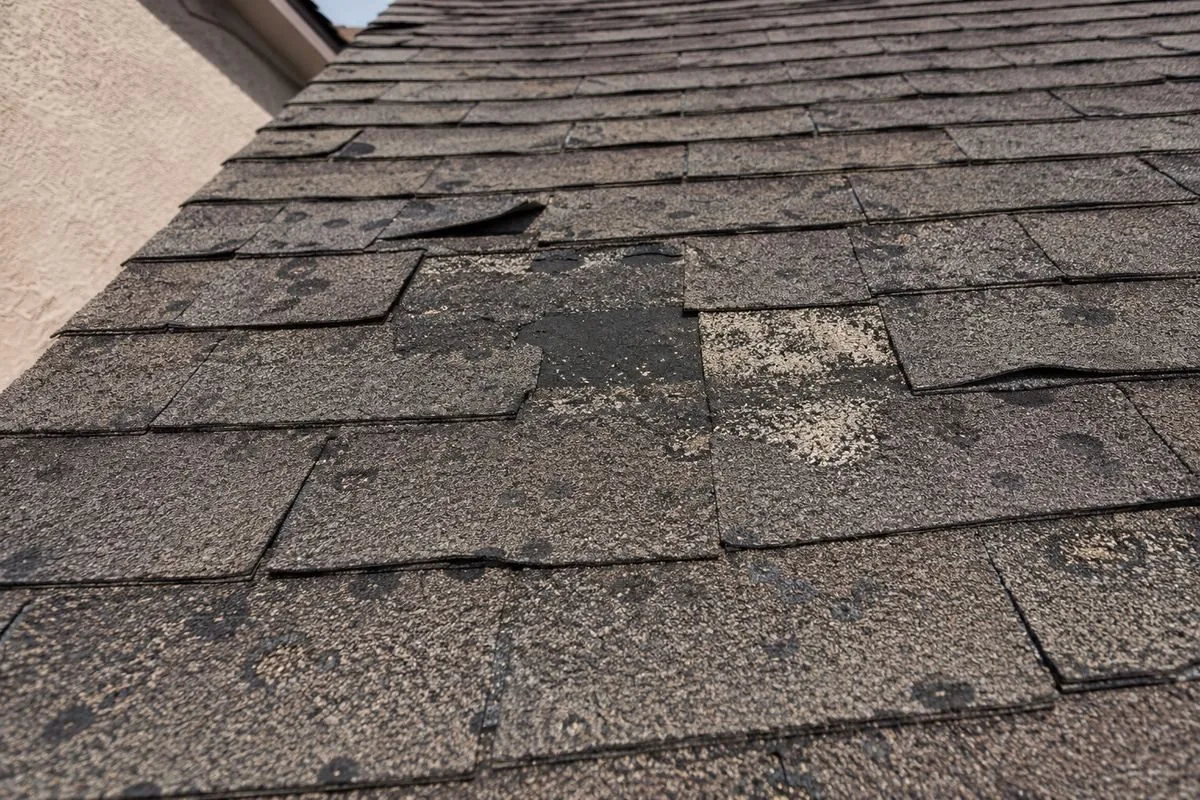
- Hail bruising: soft, dented spots where impact fractured the mat beneath the granules
- Granule loss exposing the asphalt underneath, and where those granules ended up
- Wind-lifted or missing shingles and tiles, including seals broken without visible displacement
- Damaged flashing, vents, and pipe boots, which is often where a storm opens a roof up
- Soft metals as corroborating evidence: dents in gutters, downspouts, vent caps, and AC fins help establish that hail of a damaging size fell on your property
If you haven't had anyone up on the roof yet and want a first read, our hail damage self-check walks you through five quick questions before you book an inspection.
Hail Bruising vs. Blistering: The Difference That Decides Your Claim
These two look similar from a few feet away and mean completely different things. Mixing them up is the most common error in storm-damage assessment, and it goes wrong in both directions.
Bruising is impact damage. Hail strikes hard enough to fracture the fiberglass mat under the asphalt. Press on it and it gives. It feels soft, like a bruise on fruit, because the structure underneath is broken. Granules are displaced, and the shingle has lost service life. This is storm damage, and it's what a claim is for.
Blistering is an aging and ventilation problem. Heat and moisture trapped beneath the shingle layers push the surface up and pop granules off. It leaves a mark that can resemble a hail hit, but the mat below is intact. There's no fracture and no give. Blistering isn't storm damage. It usually means the attic underneath isn't ventilated properly.
We'll be blunt about this. A contractor who calls blistering "hail damage" is setting you up to file a claim that should be denied, and filing a claim on non-storm damage isn't a harmless mistake. On the other hand, a roof with real bruising can get written off as ordinary wear if nobody looks closely enough. Telling them apart takes a hands-on inspection. A photo from the driveway won't do it.
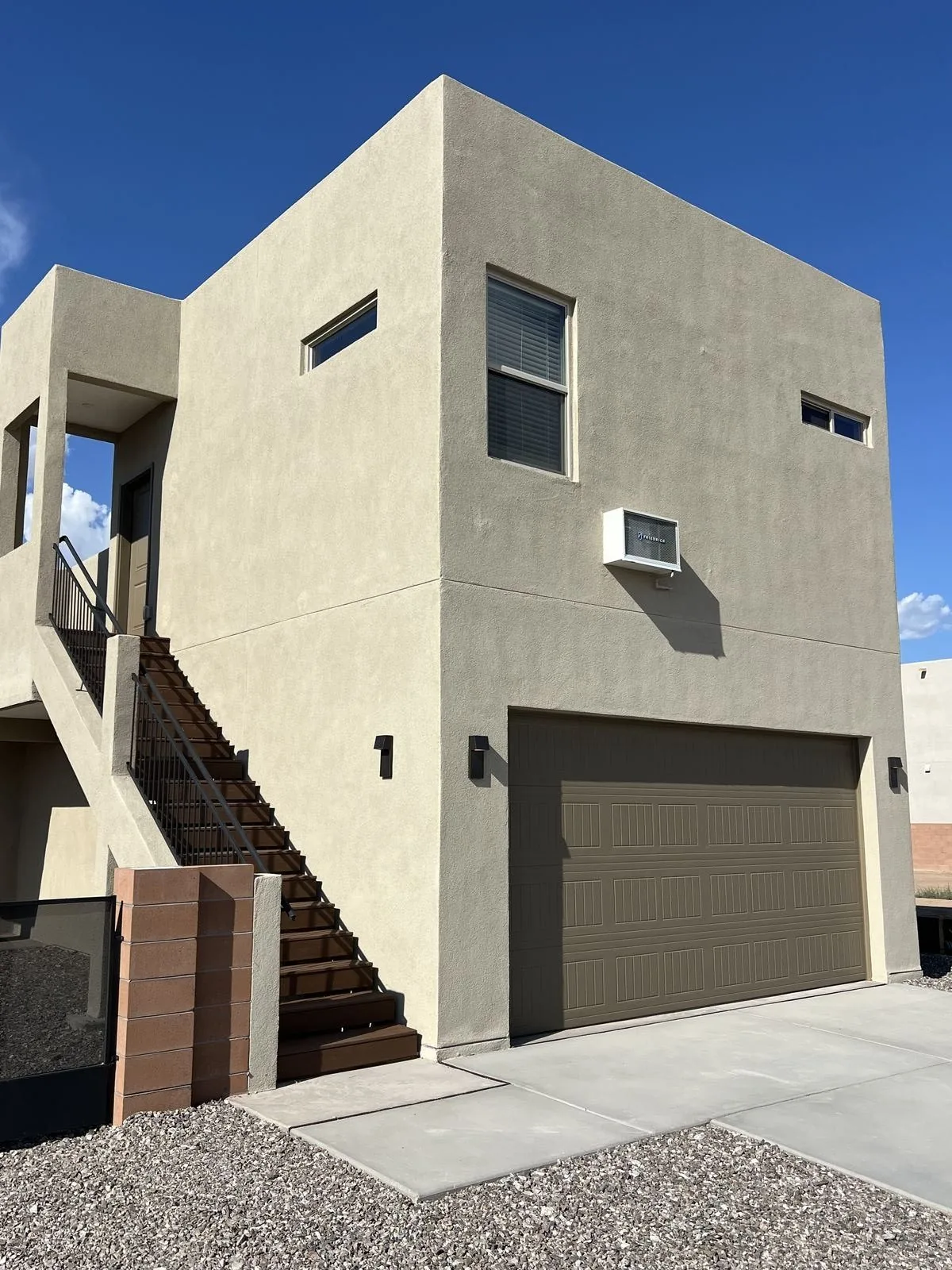
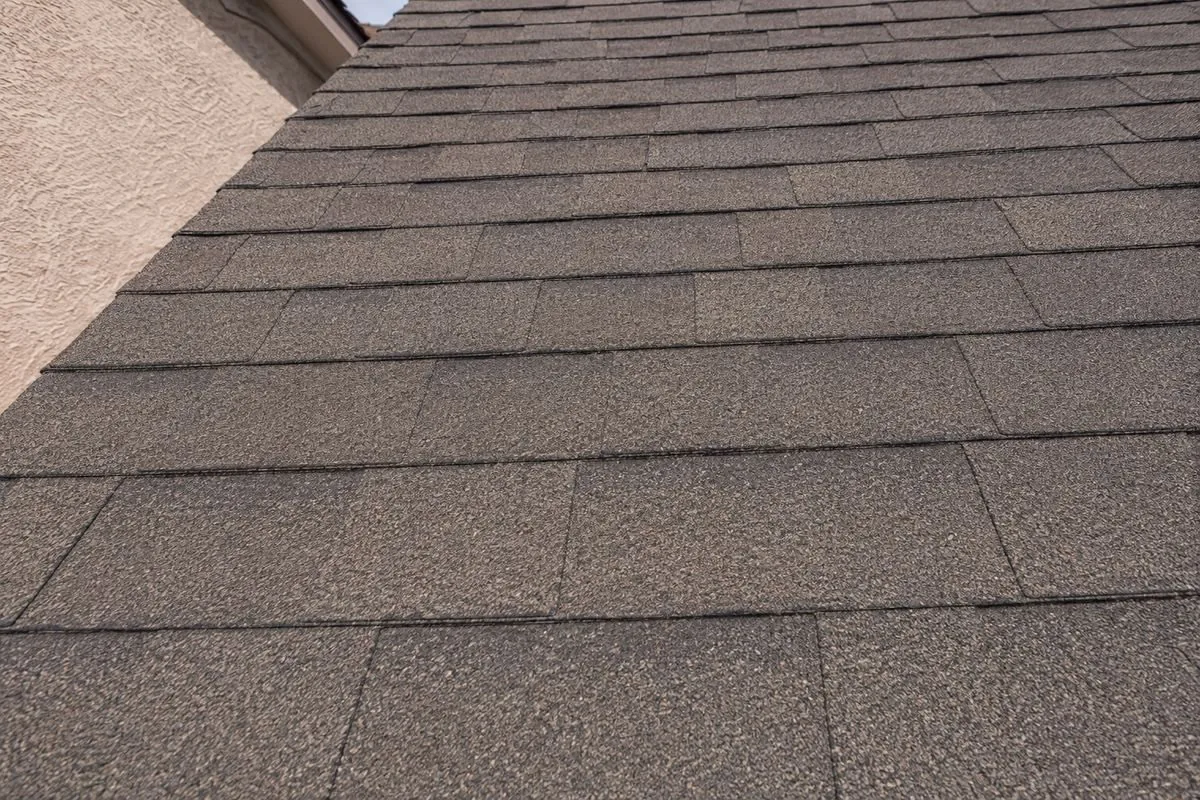
Examples of storm damage
Functional Damage vs. Cosmetic Damage
This distinction decides coverage more often than homeowners expect. Functional damage hurts the roof's ability to shed water: a fractured mat, a broken seal, a hole. Cosmetic damage affects only appearance.
Many policies cover functional damage while excluding purely cosmetic damage, and some carriers add explicit cosmetic-damage exclusions for wind and hail. This is where documentation earns its keep. A dent that an adjuster reads as surface marring may be a bruise with a fractured mat underneath, and you can only see the difference on close inspection.
Check your own policy for a cosmetic-damage exclusion before you assume anything about coverage. It's one of the few policy details that reliably changes the outcome of a hail claim, and most people first learn theirs has one while reading a denial letter.
Why You Cannot Assess Hail Damage From the Ground
Most hail damage is invisible from the driveway. Bruising has no color change and often no obvious dent from thirty feet below. It's found by touch and by close-up inspection of the granule surface, not by scanning a roofline.
That's also why a contractor who knocks on your door claiming to have spotted damage from the street is usually describing something that isn't possible. From the ground you can see missing shingles and obvious wind displacement. Everything else takes a real inspection, which is what we photograph and hand to you.
To see what bruising, granule loss and dented soft metals look like up close, use our hail damage roof visual guide. The photos we take on your roof go into a written roof report you can share with your insurer, and our roof insurance center explains what happens after you file.
Timing Matters More Than People Expect
Two separate clocks run after a storm, and they aren't the same length. Your policy sets a notice requirement, meaning the window in which you must report the loss, and that window is typically far shorter than the legal one. In New Mexico, the statute of limitations for property damage claims is four years, but that's the deadline for legal action. It isn't permission to wait four years to call your carrier.
Sooner is much better. Damage that sits through later monsoon storms gets worse and harder to tie to the original event, which is exactly the argument a carrier uses to reduce or deny a claim. Our insurance claims guidance covers how the process works here, and what to do if a claim comes back denied or underpaid.
Frequently Asked Questions
How soon after a storm should I get inspected?
As soon as reasonably possible. Your policy sets a notice requirement that's typically much shorter than New Mexico's four-year statute of limitations for property damage. Damage that sits through later storms also gets worse and harder to tie to the original event, which is exactly the argument a carrier uses to reduce a claim.
How can I tell hail damage from normal shingle aging?
The clearest test is whether the mat underneath is fractured. Hail bruising feels soft when pressed, because the fiberglass mat below the asphalt is broken. Blistering, which comes from heat and trapped moisture under the shingle, leaves a similar-looking mark, but the mat stays intact and there's no give. Blistering is a ventilation and aging issue, not storm damage.
What if my adjuster says the damage is only cosmetic?
Many policies cover functional damage but exclude purely cosmetic damage, so that classification matters. What looks like surface marring can be a bruise with a fractured mat underneath, which is functional. We document what we find with close-up photographs and give you our professional assessment. We're a roofing contractor, not a public adjuster, so we don't negotiate claims. You can request a re-inspection, get a second opinion, or hire a licensed public adjuster.
Will you work directly with my insurance adjuster?
Yes. We meet the adjuster at the property, walk the roof with them, and provide our documentation and scope of repair. We don't negotiate or adjust the claim on your behalf. That's a licensed public adjuster's role, and it's a separate profession in New Mexico.
What if the damage isn't visible from the ground?
Most hail damage isn't visible from the ground. Bruising has no color change and often no obvious dent from below. It's found by touch and close-up inspection of the granule surface. That's also why someone claiming to have spotted your hail damage from the street is usually describing something that isn't possible.
Ready for a Free Roof Report?
It's free and there's no obligation. You'll know where your roof stands.