

Wind Damage Roof Repair in Albuquerque: It Shows Up Differently Than Hail
Where hail bruises and pockmarks, wind lifts, creases, and tears. A shingle that's been wind-stressed often looks fine lying flat again but has broken its seal underneath.
On this page
What We Check
That broken seal means the shingle can lift again in the next wind, even though it looks fine from the ground. Most visual-only inspections miss it.
- Sealant strip integrity, not just whether shingles are visibly missing
- Ridge cap security, which is often the first thing to go in sustained wind
- Exposed nail heads where wind has worked shingles loose
Signs of Wind Damage on Your Roof
Wind damage can be obvious, like missing sections of shingles you can see from the street. It can also be subtle, like lifted tabs that look normal from below but have broken the adhesive seal. Look for these signs:
Missing Shingles
Dark rectangular gaps where shingles have blown completely off. Visible from the ground on slopes facing the street. Fix these right away, because exposed decking leaks on the next rain.
Lifted / Creased Shingle Tabs
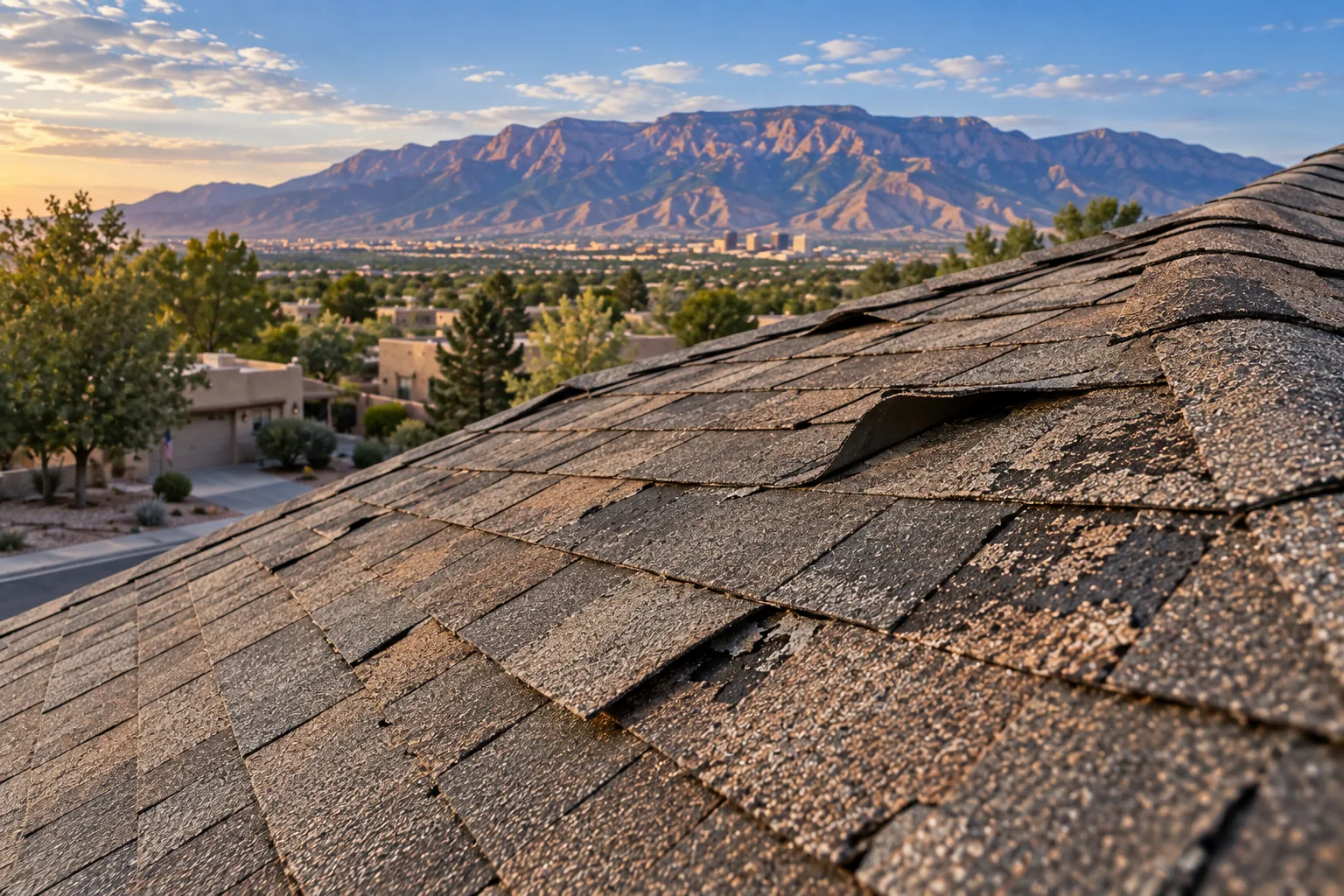
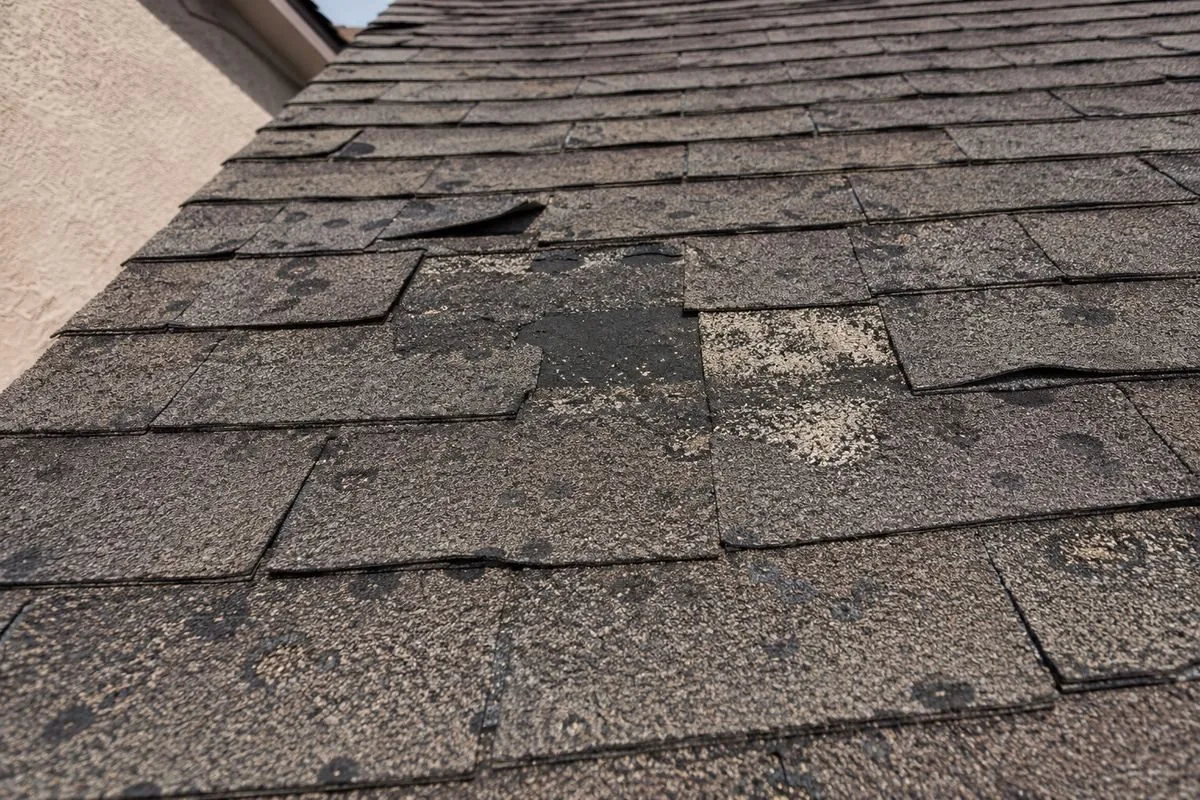
Tabs that have been lifted by wind and may have settled back but show a crease or fold. The adhesive seal is broken, so these tabs will lift again and eventually blow off.
Exposed Adhesive Strips
Visible tar-strip line on shingles that have had their tabs lifted. The adhesive isn't re-sealing after the wind event, which means the shingle bond is compromised.
Damaged Ridge Cap
Ridge cap shingles are the most exposed on any roof. Missing, lifted or cracked ridge cap lets water run directly into the ridge joint, which is a major leak pathway.
Flashing Displacement
Step flashing at walls, counter-flashing at chimneys, and valley flashing can all be lifted or bent by wind. Displaced flashing is a primary source of post-storm leaks.
Shifted or Cracked Tile
Wind can shift tile, especially at ridges where mortar has aged. Displaced tile allows water infiltration even if tiles aren't broken. Also check for cracked mortar at hip and ridge.
Debris Damage
Flying debris like branches, fence boards or gravel from neighboring flat roofs can puncture or crack roofing materials on impact. Document all debris damage for your claim.
Interior Water Stains
New ceiling stains or wet spots in your attic after a wind event mean there's an active breach. Check your attic after every major storm. If you can see daylight up there, your roof has an opening.
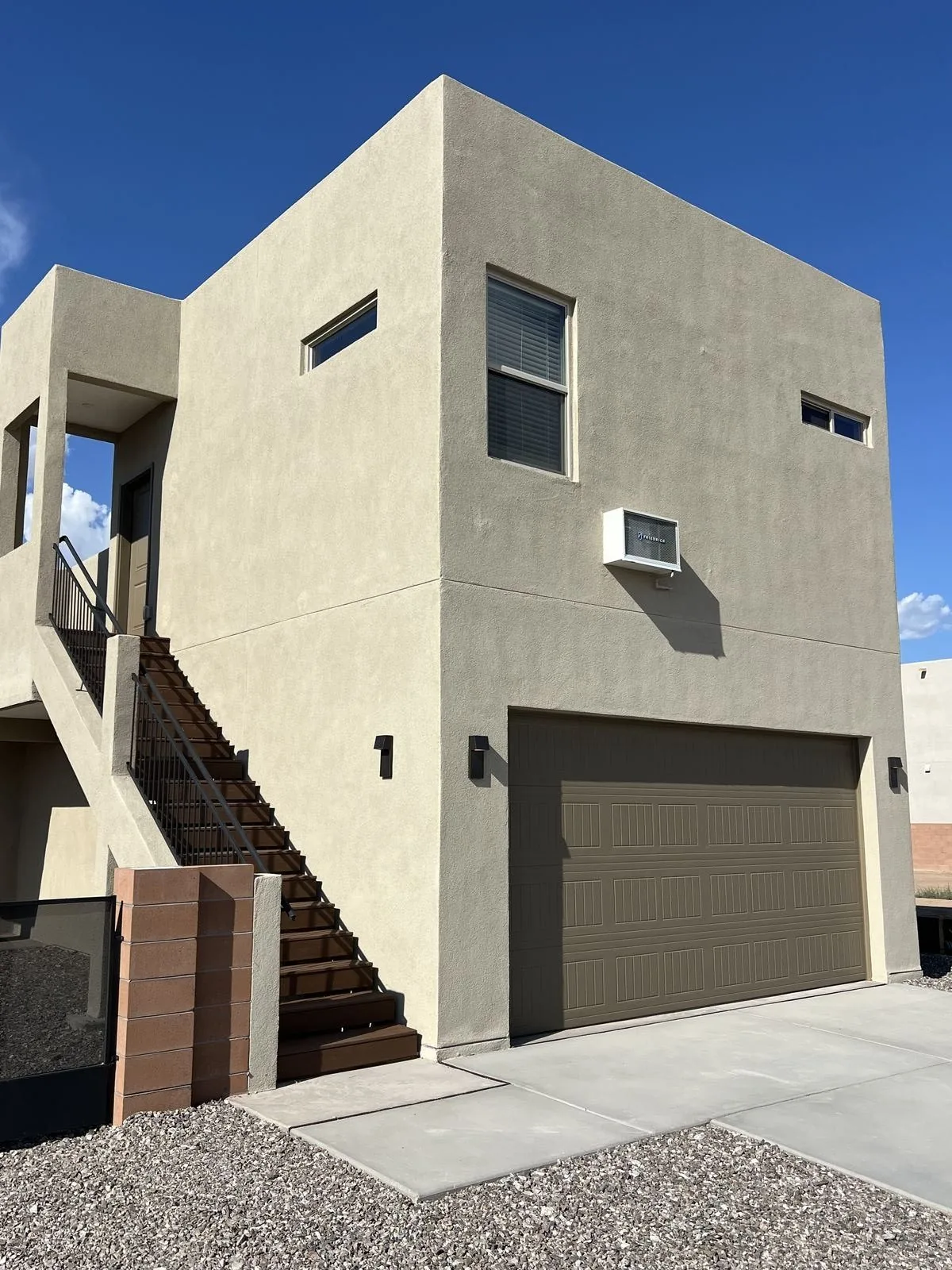
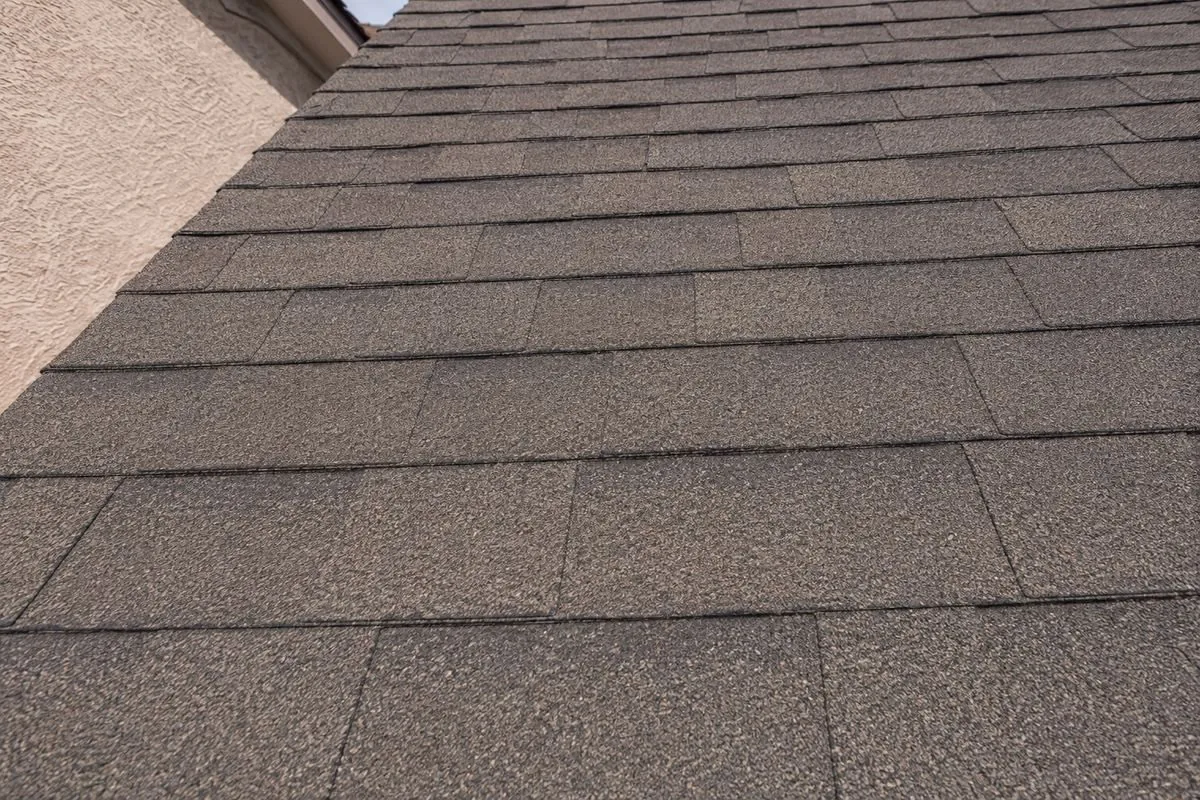
Examples of wind and storm damage
Wind Damage Repair: What the Process Looks Like
- Emergency Tarping (If Needed). If there are missing shingles, broken tile or any active roof opening, we tarp it the same day. Most homeowner policies cover this as a mitigation expense, and we document it for your claim.
- Full Roof Inspection & Documentation. We walk the entire roof surface (not just the obvious damage areas), photograph all damage, and document shingle lift patterns, flashing conditions, and any structural impact. This report is your evidence package for the insurance claim.
- Insurance Claim Support. We can be there during your adjuster's inspection to make sure all the damage gets scoped, including the less obvious areas. If the adjuster's scope misses items we identified, we help you document them and request a supplement.
- Repair vs. Replacement Decision. We'll tell you plainly whether a targeted repair or a full replacement makes more sense, based on roof age, extent of damage and insurance coverage. We show you the numbers for both options.
- Permitted Repair or Re-Roof. We pull the permit, complete the work per NM Building Code, and provide a manufacturer warranty on all materials installed. For re-roofs, we recommend Class 4 impact-resistant shingles with 130 mph wind rating as the standard choice for Albuquerque's wind environment.
Repair vs. Replace After Wind Damage
The decision to repair or replace depends on several factors. This is how Timberwolf weighs them:
| Factor | Repair | Replace |
|---|---|---|
| Roof age | Under 10 years old | 15+ years old |
| % shingles affected | Under 15–20% | Over 30% |
| Matching material available | Yes, same product still made | Product discontinued; mismatched repair looks bad |
| Existing shingle condition | Good, rest of roof has years left | Poor, widespread cracking/granule loss |
| Insurance coverage | Claim under deductible | Full replacement covered by claim |
| Damage location | Isolated area, easy to match | Damage on multiple slopes |
If your insurance company is offering full replacement coverage and your roof is over 12–15 years old, take the replacement. You're getting a new roof for the cost of your deductible. If the damage is isolated and the rest of the roof is in solid shape, a targeted repair is the sensible, cost-effective choice.
Making Your Next Roof Wind-Ready
If you're repairing wind damage now or planning a replacement soon, these steps make an Albuquerque roof more wind-resistant:
If wind damage leads to a new shingle roof, we install it as a complete GAF system. Timberline shingles installed with GAF starter strip, roof deck protection, ridge cap, and leak barrier or attic ventilation qualify for GAF’s WindProven™ limited wind warranty: 15 years with no maximum wind speed.
- Specify Class 4 impact-resistant shingles. Treat the 130 mph wind rating as standard, not optional. They also save you 15–30% on insurance premiums. See our Impact-Resistant Shingles guide.
- Enhanced fastener pattern: 6 nails per shingle instead of 4. Timberwolf does this by default on all installations.
- Full-coverage underlayment: synthetic felt (not paper) throughout, with ice-and-water shield in valleys
- Proper ridge cap installation: a sealed, properly nailed ridge cap is one of the most important wind details on any pitched roof
- Quality flashing systems: pre-formed step flashing, counterflashing at chimneys, and sealed pipe boots
If you have tile and are concerned about wind vulnerability, mortar re-pointing at ridges and hips is the highest-priority maintenance item. See our Tile Roofing guide for more.
Does Homeowner Insurance Cover Wind Damage in Albuquerque?
Yes. Wind is a covered peril under most standard homeowners policies in New Mexico, but check your own policy. Some policies carry a separate wind or hail deductible, so look for one on your declarations page or ask your agent.
Key tips for filing a wind damage claim:
- Document the storm date and get a National Weather Service or local weather station record confirming wind speeds. Adjusters want corroborating weather data.
- Photograph all damage from the ground before any temporary repairs
- Request that Timberwolf be present during the adjuster inspection
- Review the adjuster's scope carefully and request supplements if legitimate damage items were missed
- Understand your ACV vs. RCV coverage. See our Hail & Wind Insurance guide
Wind Damage Guides
Go deeper on the questions we hear most after an Albuquerque windstorm:
- Creased shingles: why a shingle that's still on the roof can still be damaged
- Flat roof wind damage: membranes, edge metal and coping
- Wind damage or old age? How adjusters tell the difference
- Spring wind season: where Albuquerque roofs take the most wind, and a before-and-after checklist
Frequently Asked Questions
My shingles look fine after the wind. Do I still need an inspection?
It's worth a look if winds were sustained or gusts were severe. Broken seals aren't always visible from the ground.
How much wind does it take to cause real damage?
It depends mostly on the roof's age and install quality. A well-installed newer roof handles more wind than an aging one.
What are the signs of wind damage on a roof?
Key signs include: lifted or missing shingles (visible dark gaps from the ground); shingles with creased or folded tabs from uplift; exposed adhesive strips on shingle tabs; cracked or missing ridge cap; displaced flashing at chimneys, walls, and valleys; shifted tile; and new water stains inside the attic.
Does homeowner insurance cover wind damage in Albuquerque?
Yes. Wind damage is a covered peril under most standard homeowners policies in New Mexico. Some policies carry a separate wind or hail deductible, so check your declarations page or ask your agent. File your claim promptly and ask for your contractor to be present during the adjuster inspection.
Should I tarp my roof after wind damage?
Yes, if there's any active exposure, such as missing shingles, broken tile or any roof opening. Temporary tarping is covered as a mitigation expense under most homeowner policies. Call a professional instead of doing it yourself. Timberwolf provides emergency tarping after major storm events.
How long does a wind damage roof repair take?
Simple repairs, like replacing a handful of lifted or missing shingles or securing loose flashing, take a few hours. Larger repairs take 1–2 days. A full replacement typically takes 1–3 days depending on roof size. Timberwolf gives you a timeline estimate with every quote.
Repair vs replace after wind damage: how do I decide?
Look at roof age (under 10 years, repair; over 20 years, replacement is often better value), the percentage of shingles affected (under 20%, repair; over 30%, replacement is usually more economical), and whether insurance will cover full replacement. Timberwolf prices both options so you can compare.
What wind speed rating should I look for in new shingles?
For Albuquerque, specify 110 mph minimum, preferably 130 mph. Most Class 4 impact-resistant shingles meet 130 mph when installed with the enhanced 6-nail fastener pattern. Timberwolf installs all shingles to the enhanced pattern by default. With New Mexico's wind, that's standard, not an upgrade.
Ready for a Free Roof Report?
It's free, and you're under no obligation. You'll know exactly where your roof stands.