

Commercial Roof Repair Scheduled Around Your Business
A commercial roof leak is an operations problem before it's a roofing problem. It threatens inventory, tenants, equipment and the hours you can stay open. We schedule around your operating hours, document what we find, and tell you plainly whether a repair is the right call or just a deferral.

On this page
Finding the Actual Source
On a flat or low-slope commercial roof, the leak almost never originates where the water shows up inside. Water enters at a failure point, travels along the deck, follows a joist or a conduit run, and drops through at the first opening it finds. Chasing the ceiling stain is how a roof gets patched three times without the leak stopping.
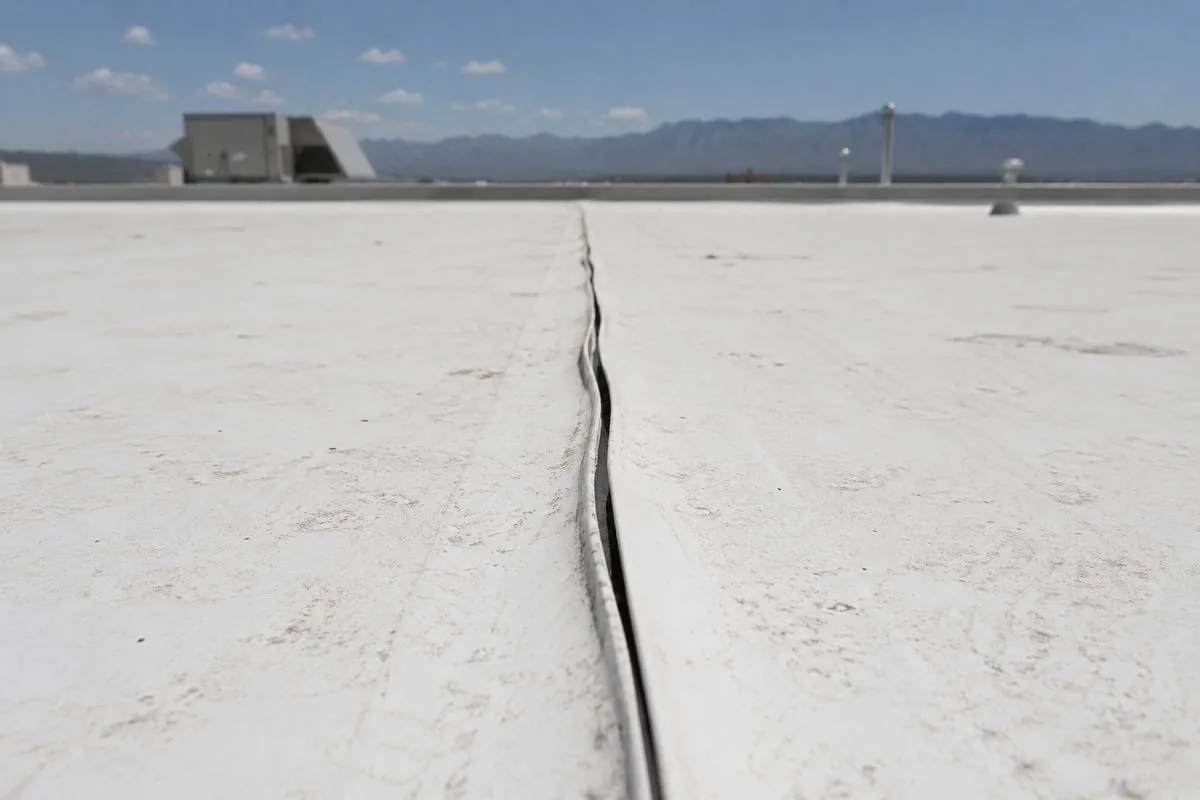
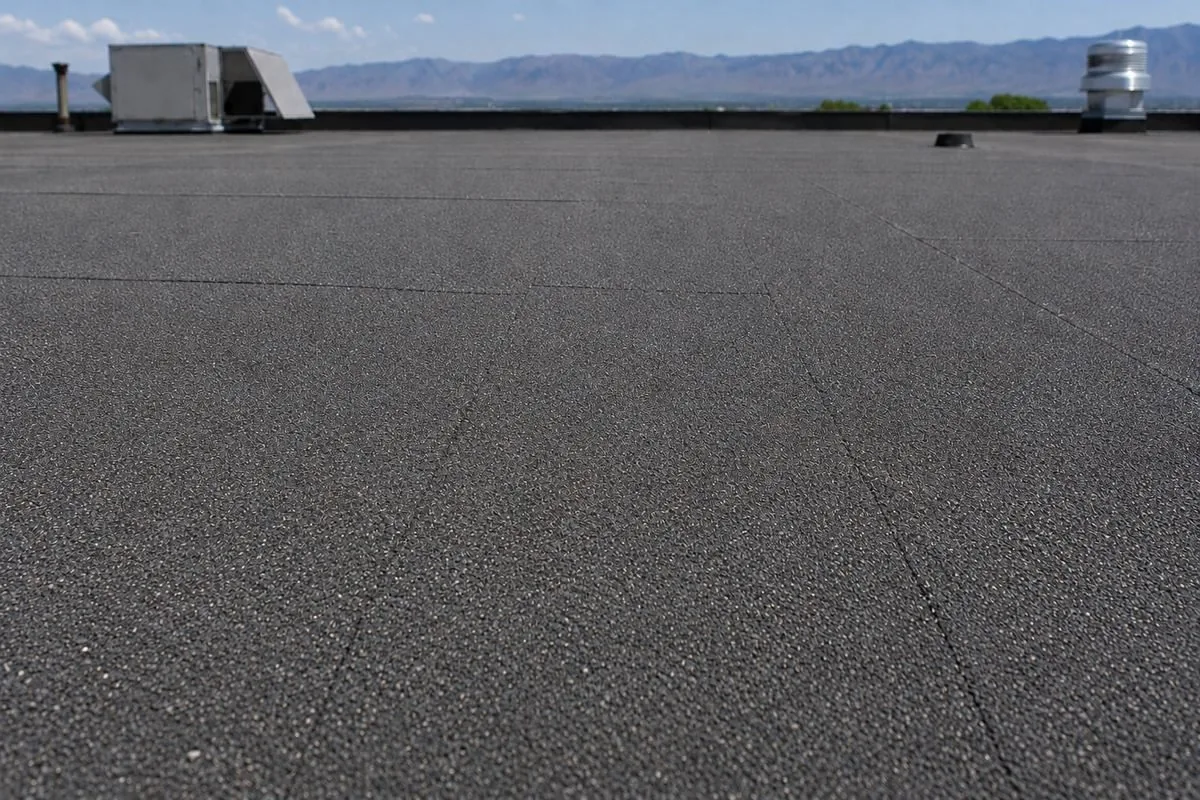
The failures worth checking first are consistent across membrane systems: seams that have opened, penetrations where the flashing or pitch pocket has failed, curbs around HVAC units, drains and scuppers that have pulled loose or clogged, and low areas where standing water has sat long enough to break down the membrane. On modified bitumen and built-up roofs, blisters and splits from thermal cycling are common. On single-ply, mechanical damage from foot traffic around serviced equipment is a frequent culprit.
We document what we find with photographs before recommending anything, and you see them. That documentation matters twice: once so you can make an informed decision, and again if the damage turns out to be storm-related and an insurance claim follows.
Repair, Recover, or Replace
These are three different answers with very different price tags. The right recommendation depends on the facts of your roof, not on what's easiest to sell.
Repair makes sense when the membrane is generally sound and failures are localized, like a handful of open seams, a failed pitch pocket or damage around one HVAC curb. Recover, meaning a new system installed over the existing one, makes sense when the field of the roof is worn but the substrate is dry and structurally sound. Spray foam and coating systems are frequently the right recover path here because they avoid tear-off entirely. Replacement is the answer when the insulation is saturated, the deck is compromised, or the membrane has failed broadly enough that repairs become an annual expense.
The deciding test is usually a moisture survey. Wet insulation under a membrane does not dry out on its own, and covering it locks the problem in. If the survey comes back wet across a meaningful area, we will tell you that a recover is the wrong call even though it is the cheaper proposal.
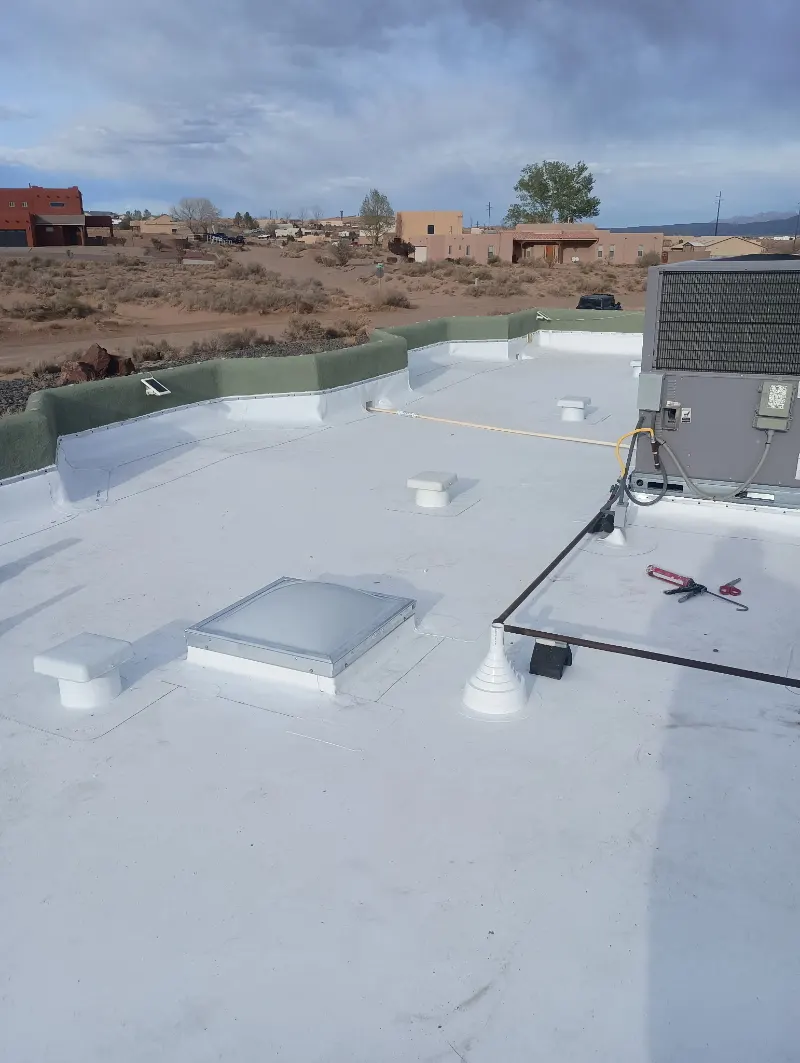
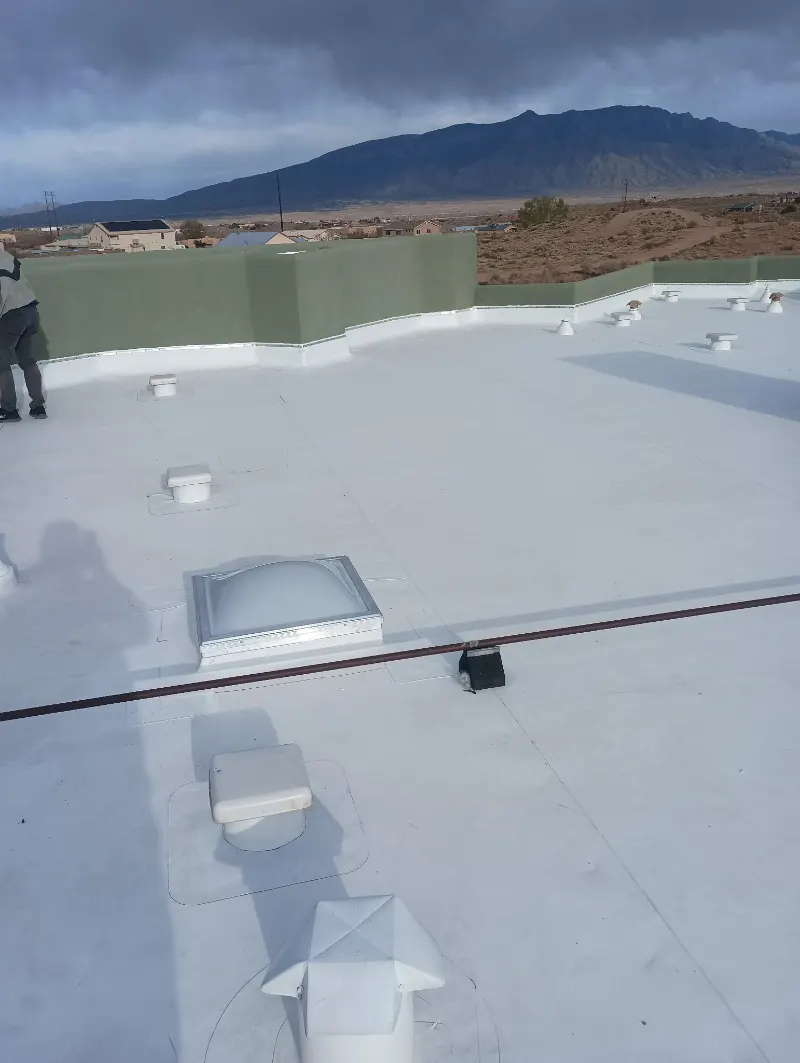
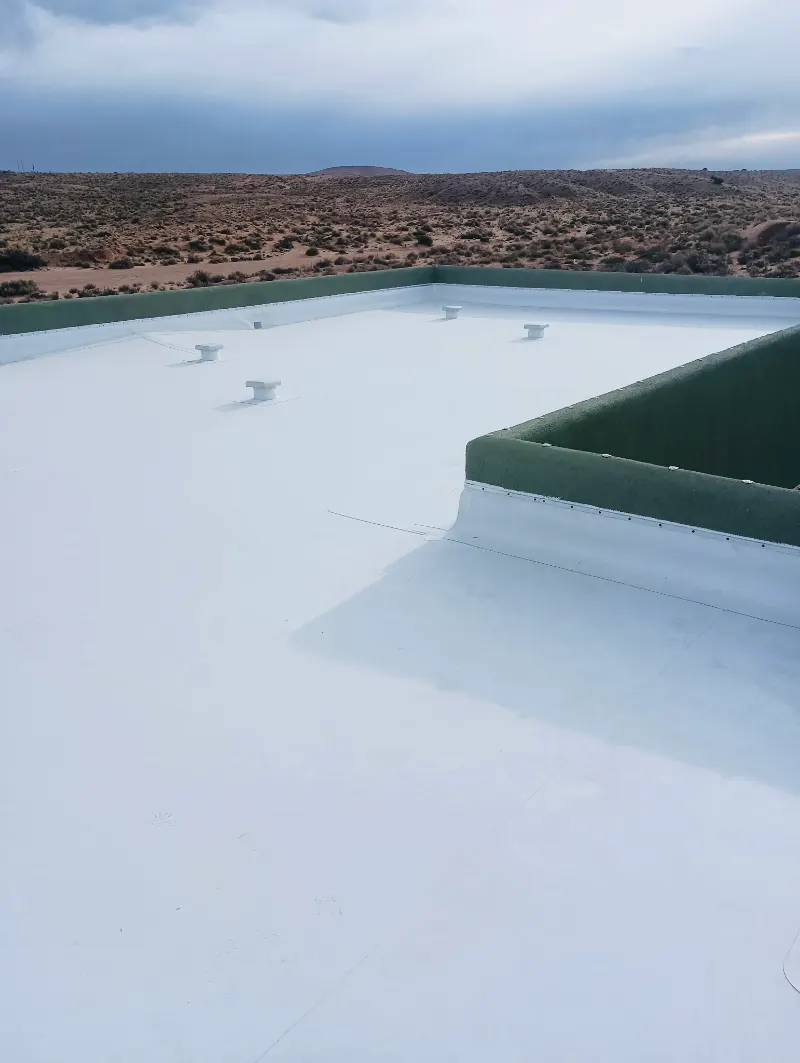
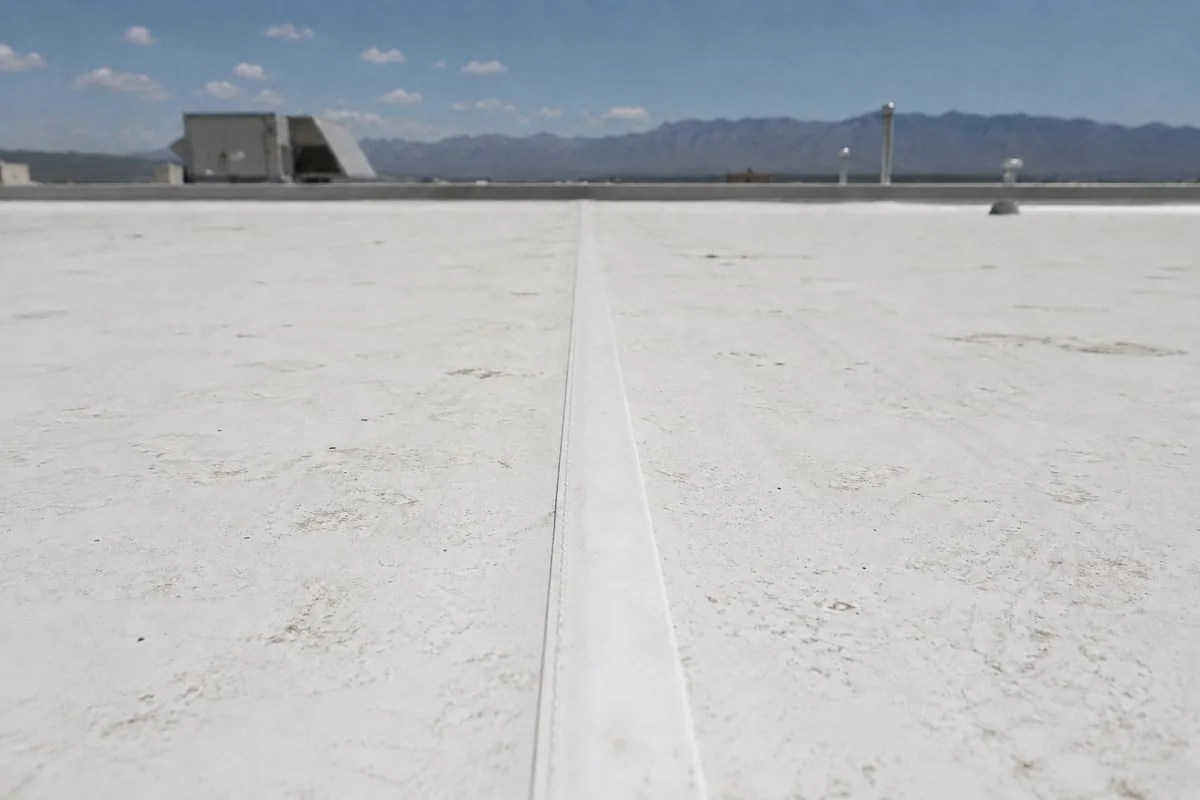
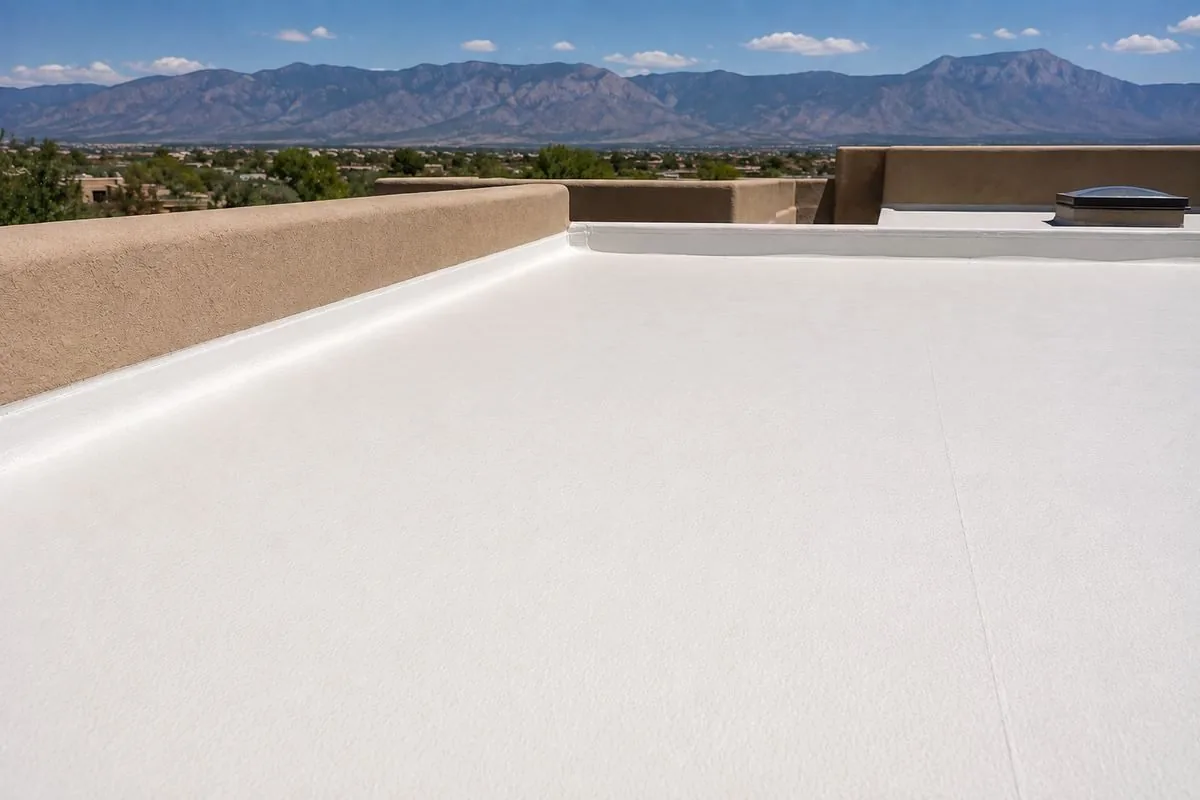
Examples of commercial repair details
Working Around Your Operations
Commercial work has constraints residential work does not. Restaurants cannot have crews overhead during service. Medical and dental offices need noise controlled around patient hours. Warehouses need staging that does not block dock access. Multi-tenant buildings need notice given to tenants who did not hire us and do not want a surprise.
We schedule around those realities rather than asking you to work around us, including early-morning, evening and weekend work where that's what keeps you open. For active leaks we stabilize first to stop water entry immediately, then schedule the permanent repair at a time that doesn't cost you a day of business.
If the roof needs a full replacement instead of a repair, our commercial roofing page covers how a reroof works while the building stays open.
The Technical Specs
| Systems serviced | TPO, PVC, EPDM, modified bitumen, built-up, spray polyurethane foam, and coated roof systems |
|---|---|
| Common failure points | Open seams, failed pitch pockets and penetration flashing, HVAC curbs, clogged or detached drains and scuppers, ponding areas, and foot-traffic damage |
| Diagnosis method | Photo-documented inspection tracing the leak to its actual source rather than to the interior stain location |
| Moisture survey | Used to determine whether a recover is viable. Wet insulation under a membrane does not dry and must not be covered |
| Emergency response | Temporary stabilization to stop active water entry first, with permanent repair scheduled around your operating hours |
| Scheduling | Early morning, evening, and weekend work available for restaurants, medical offices, and multi-tenant buildings |
| Documentation | Photographs provided to you before any recommendation, and formatted to support an insurance claim if the damage is storm-related |
| Repair vs. replace | Determined by membrane condition, substrate moisture and how localized the failures are, not by proposal size |
Good Fit / Not a Good Fit
- Good fit for localized failures on a generally sound membrane, such as open seams, a failed pitch pocket or damage around one HVAC curb
- Good fit for active leaks needing immediate stabilization, with the permanent repair scheduled around your hours
- Good fit for property managers who need photo documentation to justify the spend or support an insurance claim
- Not the right call when a moisture survey shows saturated insulation across a meaningful area. Repairs there only put off the problem
- Not the right call when repairs have become an annual line item; at that point replacement or a recover system costs less over five years
Frequently Asked Questions
Why does my commercial roof leak show up far from the actual damage?
On a flat or low-slope roof, water enters at a failure point and then travels along the deck, often following a joist or conduit run before dropping through at the first opening it finds. That is why the ceiling stain rarely sits under the actual failure, and why chasing the stain leads to a roof being patched repeatedly without the leak stopping. Finding the real entry point is the difference between a repair that works and one that does not.
Should I repair my commercial roof or replace it?
It depends on three things: how localized the failures are, whether the insulation underneath is dry, and whether repairs have become recurring. Repair is right when the membrane is generally sound and failures are isolated. A recover system installed over the existing roof works when the field is worn but the substrate is dry. Replacement is the answer when insulation is saturated, the deck is compromised, or you are repairing the same roof every year. A moisture survey usually decides it.
Can you work outside our business hours?
Yes, and for most commercial work that is the default rather than an accommodation. Restaurants cannot have crews overhead during service, medical offices need noise controlled around patient hours, and warehouses need dock access kept clear. We schedule early morning, evening, and weekend work where that is what keeps you open. For an active leak we stabilize immediately to stop water entry, then schedule the permanent repair around your operations.
Ready for a Free Roof Report?
It's free, and you're under no obligation. You'll know exactly where your roof stands.