

The Quiet Issue Most Homeowners Never Think About
Ventilation is a slow-acting issue with no obvious symptom for years. A hot, poorly-vented attic ages shingles from underneath while the sun ages them from above.
On this page
What We Check
- Intake vs. exhaust balance, since most homes have plenty of one and not enough of the other
- Soffit vent blockage, often from past attic insulation work
- Visible attic heat and moisture signs
Ventilation is one piece of a roofing system that has to work together. See all the parts of a roof and how intake and exhaust vents fit in.
Why Ventilation Matters More in Albuquerque
An attic that can't move air traps heat under the roof deck all summer. That heat bakes shingles from underneath while the high-altitude sun works on them from above, and it pushes more heat into the living space below. In winter, warm, moist air from the house can condense in a poorly vented attic. Swamp coolers and bathroom fans that vent into the attic add even more moisture.
Ventilation also affects your warranty. Shingle manufacturers, including GAF, expect the attic to be vented to their requirements, and poor ventilation can put that coverage at risk.
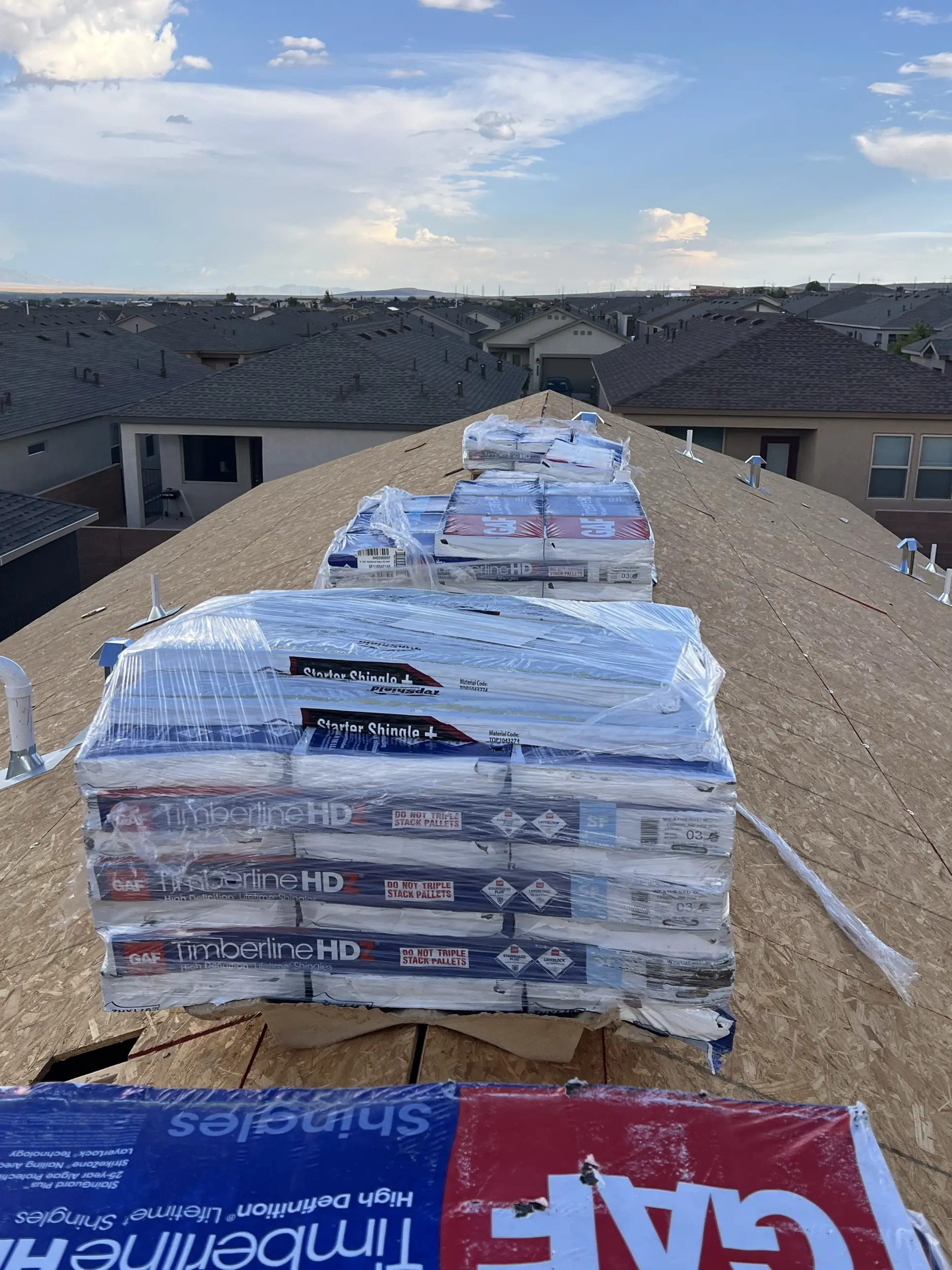
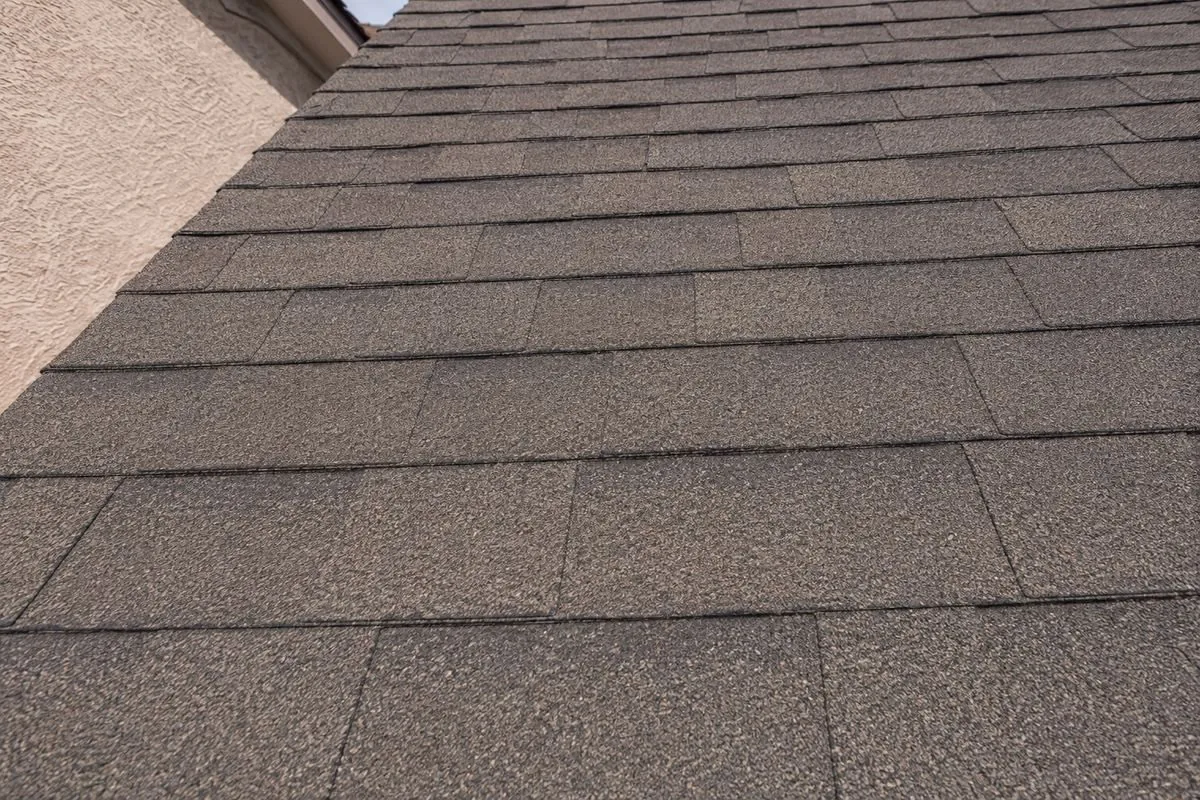
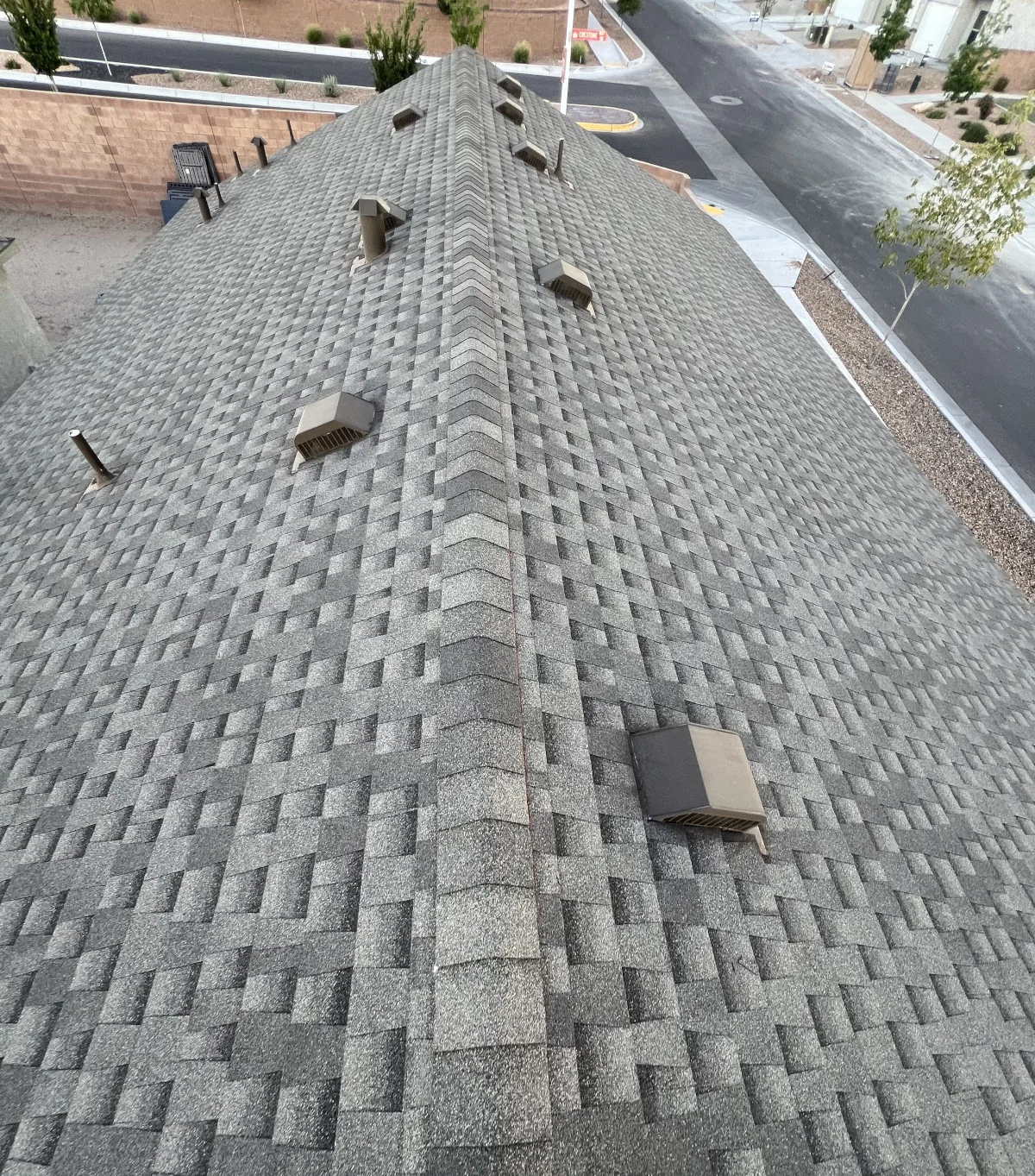
Ventilation is part of every roof system
How a Balanced System Works
Good ventilation needs two halves working together:
- Intake at the low edge of the roof, usually soffit vents, lets cooler outside air in.
- Exhaust near the peak, such as ridge vents, box vents or turbines, lets hot air out.
Too little venting is less common than an unbalanced system. We usually find plenty of exhaust with blocked or missing intake, or several exhaust types mixed on one roof so they pull air from each other instead of through the attic.
What We Look For
- Soffit vents painted over, blocked by insulation, or never cut through behind the vent cover
- Mixed exhaust types on the same roof, like a ridge vent plus turbines or box vents
- Bathroom, kitchen or dryer vents ending in the attic instead of outside
- Rusted nails, stained sheathing or frost in the attic, which are all moisture signs
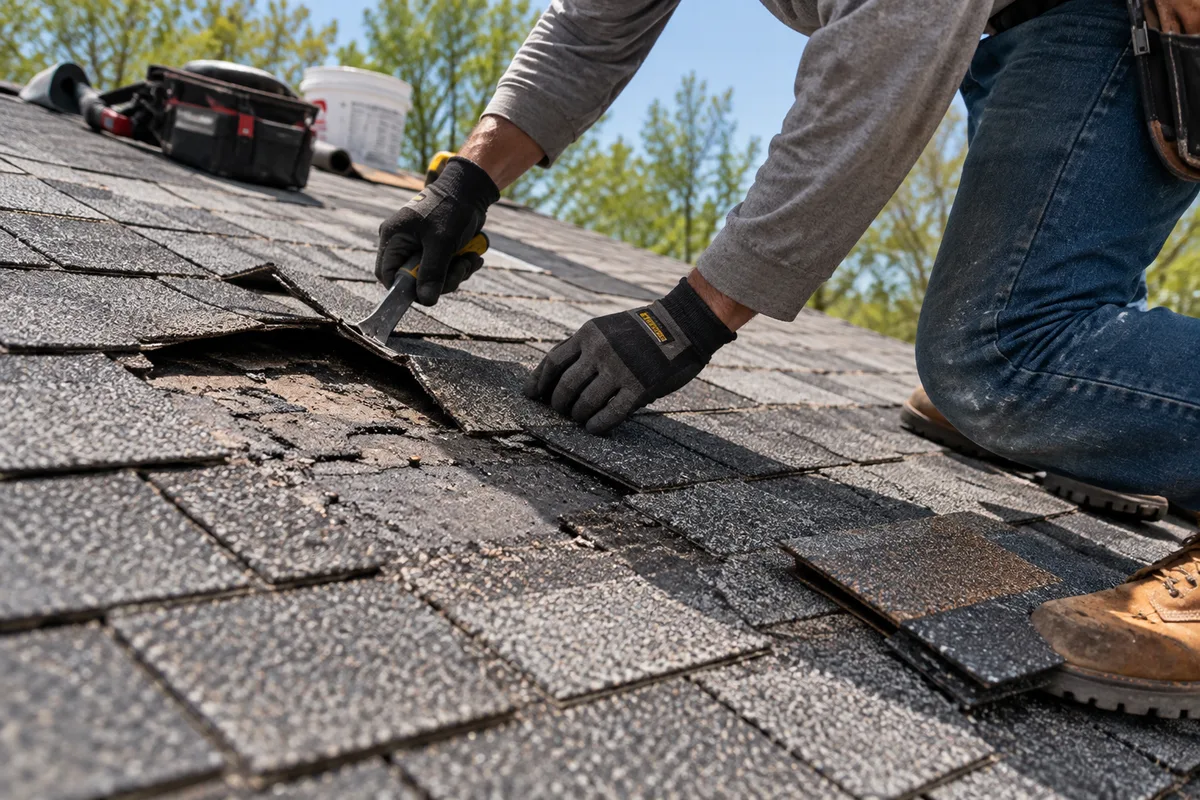
- Shingles on the upper roof wearing faster than those lower down
Related reading: skylights and ventilation in desert climates and why altitude and UV age roofs faster.
How It Gets Fixed
Many ventilation fixes are small: clearing or adding intake vents, removing a conflicting exhaust vent, or rerouting a bath fan outside. Bigger corrections, like switching to a continuous ridge vent, are easiest to do during a roof replacement, when the roof is already open. We'll show you photos of what we find in your attic and explain which fix fits.
Frequently Asked Questions
How do I know if my ventilation is actually a problem?
Unusually hot attic space, higher-than-expected cooling bills, or shingles aging faster than their rated lifespan are the practical signs.
Is this an expensive fix?
Often it's more affordable than people expect. Sometimes it's just adding intake vents, not a major project.
Can I add more vents to fix a hot attic?
Not always. Adding exhaust without enough intake can make things worse, because the vents start pulling air from each other or from the house. Balance matters more than the number of vents.
Should I use turbines or a ridge vent?
It depends on the roof. The key is not to mix exhaust types on the same attic space. We'll recommend one system based on your roof's shape and what's there now.
Ready for a Free Roof Report?
It's free, and you're under no obligation. You'll know exactly where your roof stands.