

Roof Flashing Repair in Albuquerque: The Most Common Leak Source
Flashing seals the joints around chimneys, vents, skylights, and roof planes. It fails more often than the shingle field itself, and caulk-only fixes typically fail again within a year or two.
On this page
What We Check
- Step flashing at wall intersections
- Counter-flashing at chimneys
- Pipe boot condition: rubber boots deteriorate from UV faster than almost any other roof component here
Flashing is one of several layers that keep water out. See all the parts of a roof to understand how flashing, underlayment, and shingles work together.
Where Flashing Fails on Albuquerque Homes
Most roof leaks we trace here don't start in the middle of the shingles. They start where the roof meets something else. These are the spots we check first:
- Roof-to-wall joints on stucco homes. Step and counter-flashing tuck behind the stucco. When the stucco cracks or the flashing was never lapped correctly, water runs down behind the wall finish.
- Pipe boots. Rubber collars around plumbing vents crack from UV exposure, often years before the shingles wear out.
- Chimneys. Counter-flashing that relies on caulk or mortar alone pulls loose as the chimney and roof move differently.
- Swamp cooler stands and skylight curbs. Anything that sits on the roof and penetrates it needs its own flashing, and it's often the last thing anyone checks.
- Valleys and headwalls. Places where large amounts of water concentrate during a monsoon downpour.
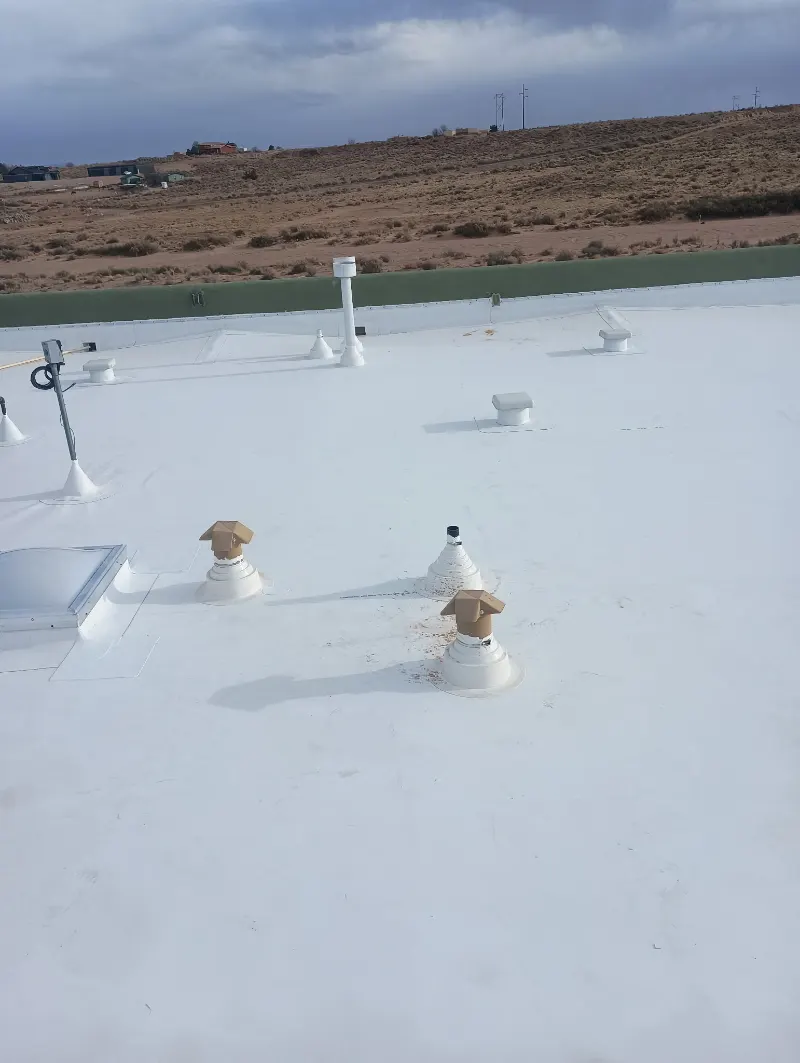
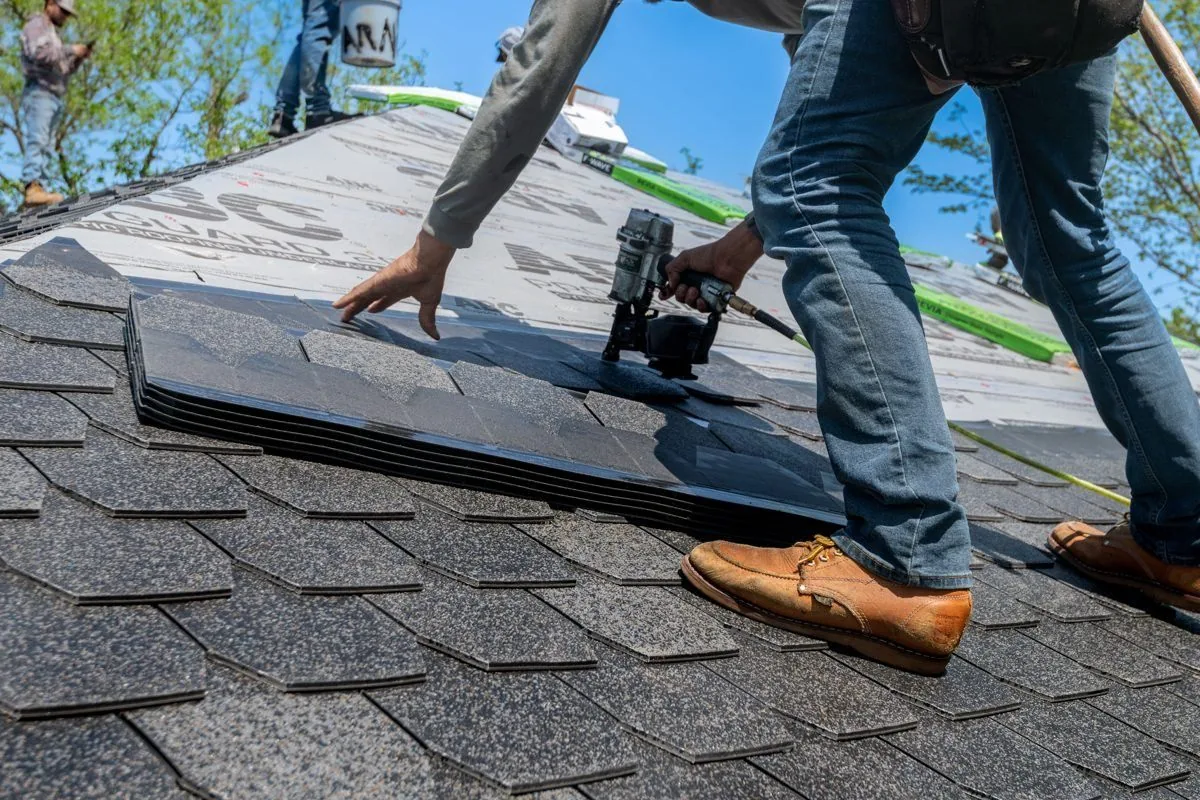
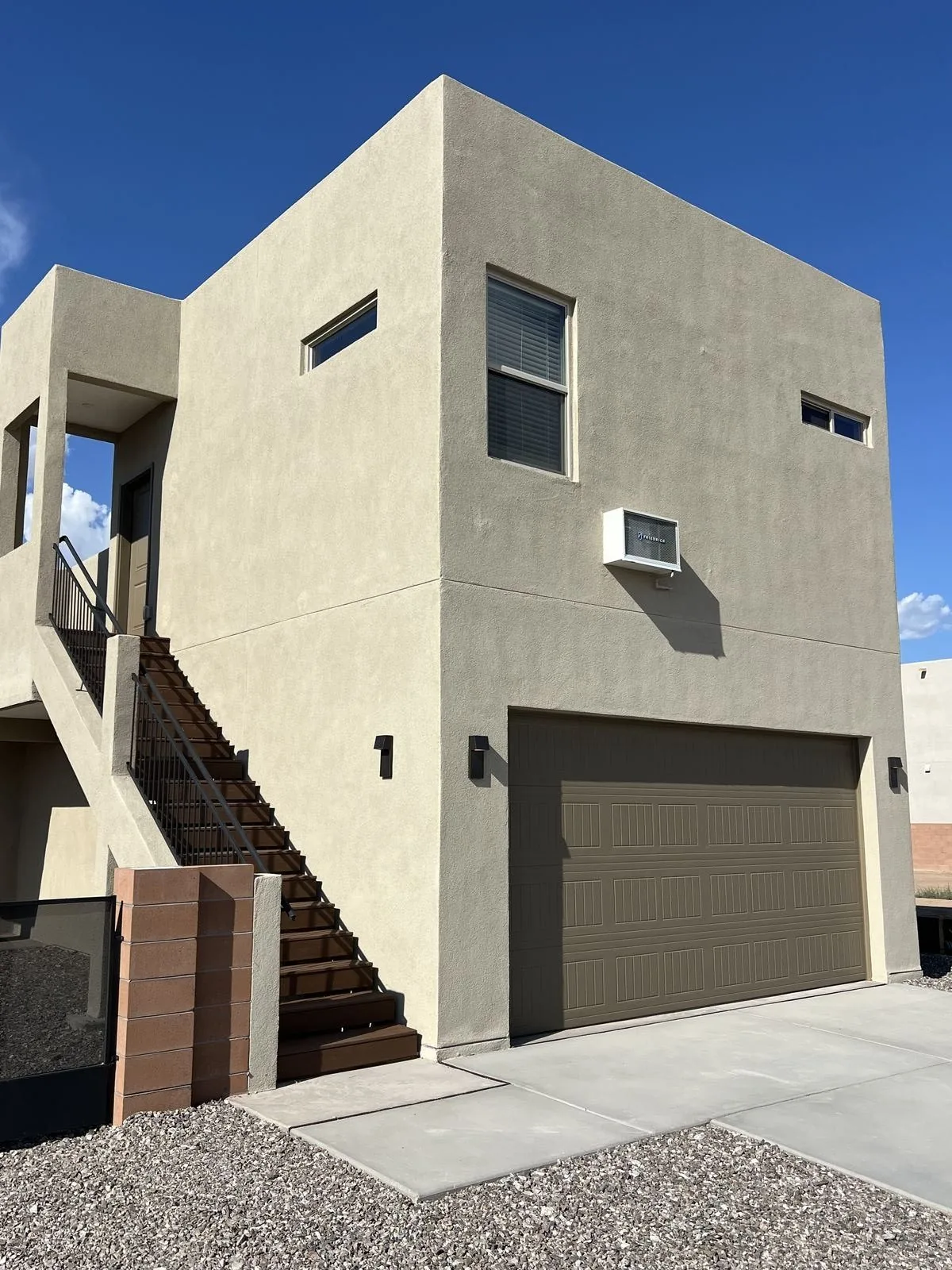
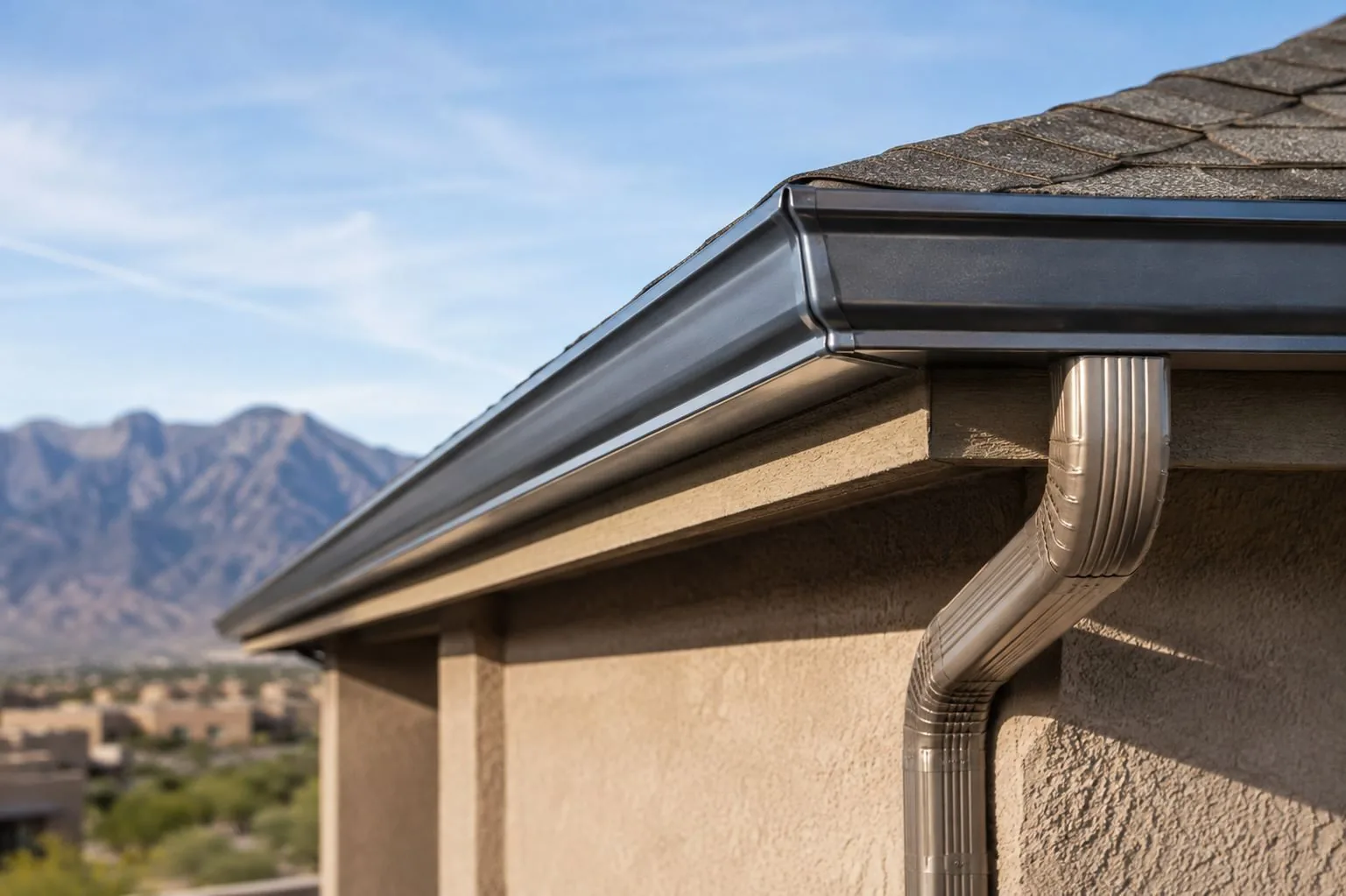
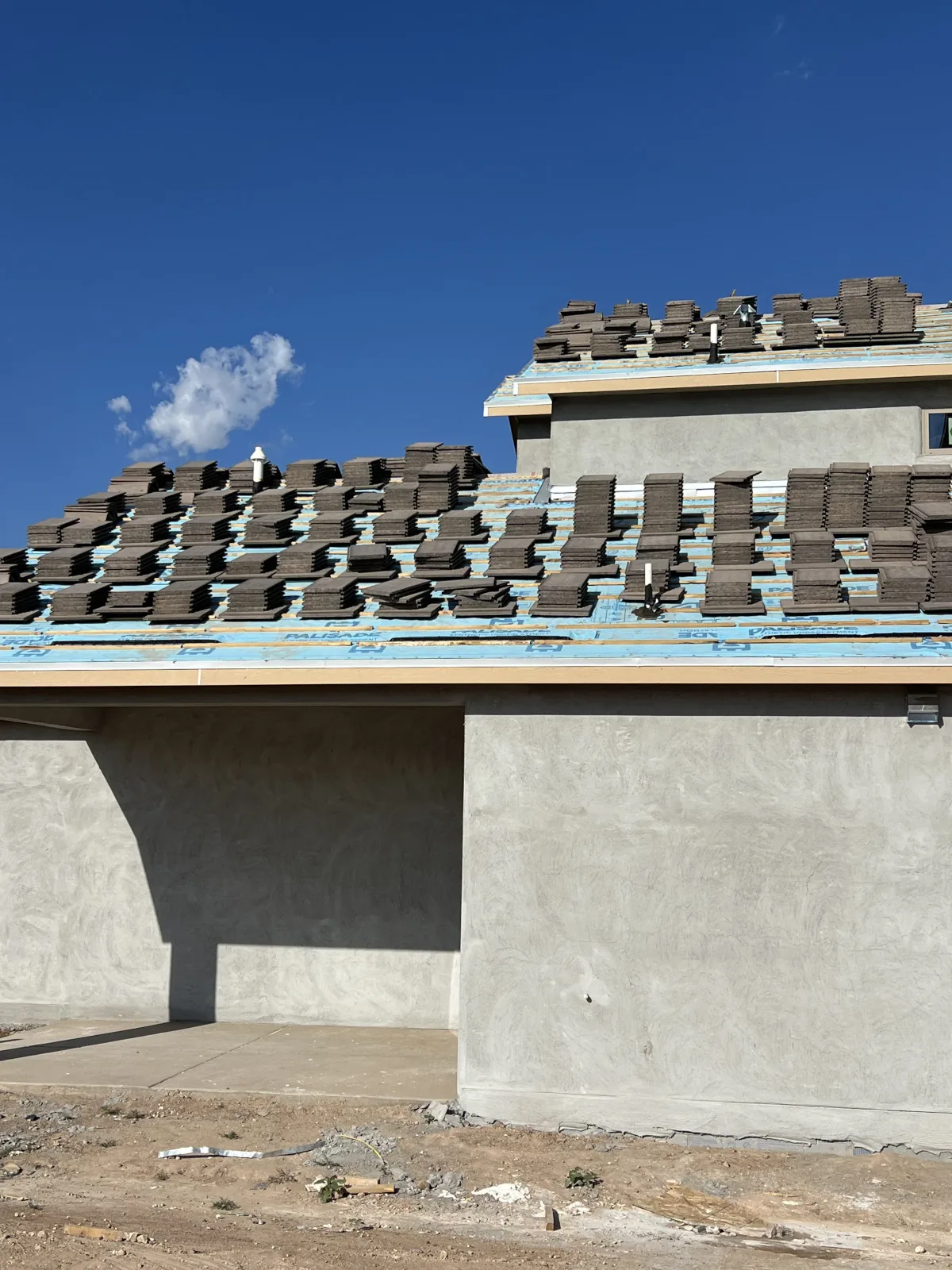
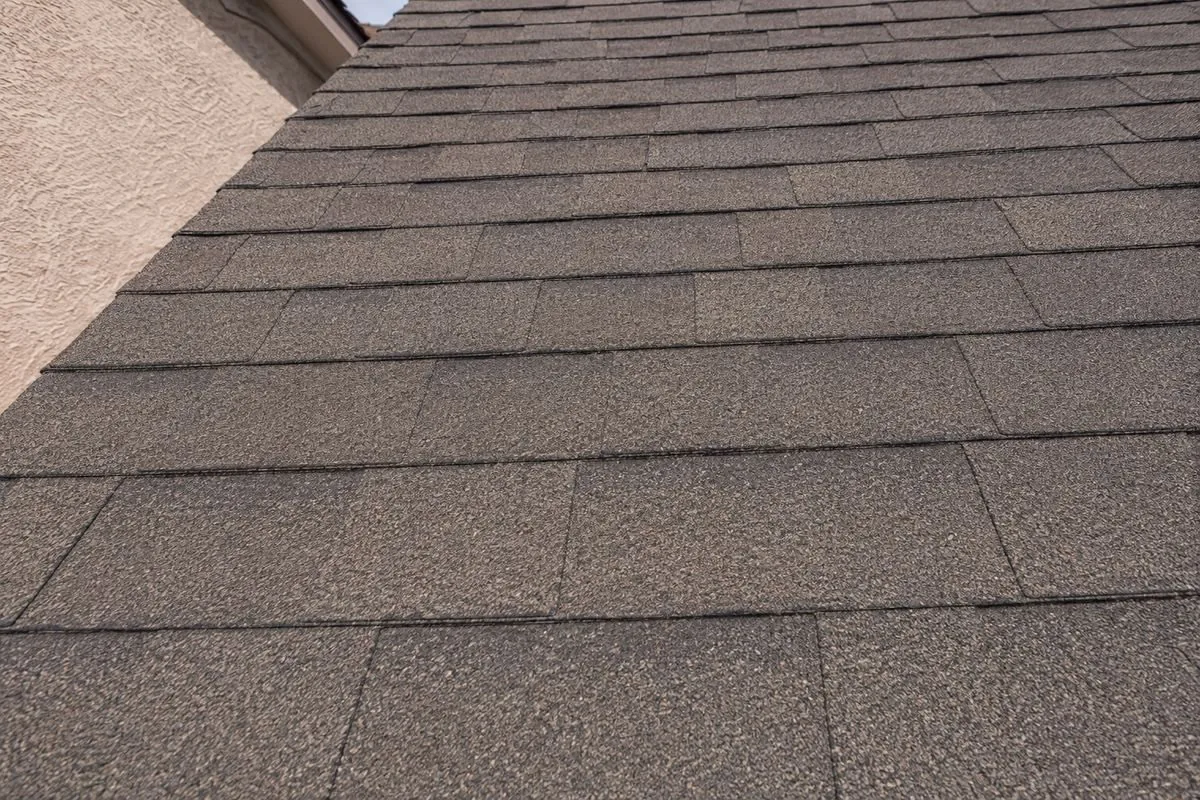
Examples of flashing and penetration work
Signs the Leak Is a Flashing Problem
- A ceiling or wall stain near a chimney, vent, skylight or exterior wall rather than in the middle of a room
- Leaks that only show up in wind-driven rain, when water is pushed sideways into joints
- Staining, cracking or bubbling stucco just below where a roof meets a wall
- Visible tar, caulk or roofing cement smeared over metal, which usually means an earlier quick fix
- Metal that is loose, lifted, rusted through or missing
If you're not sure where the water is coming from, start with our roof leak repair page. Tracing the entry point comes before any fix.
How We Repair Flashing
- Find the real entry point. We photograph the area and trace the water path, because the stain inside is often a few feet from where water gets in.
- Open it up. We remove the shingles or finish around the joint so we can see the flashing, the underlayment and the decking underneath.
- Replace it, don't just seal it. Worn boots and bent or rusted flashing get replaced with new material, lapped in the right order so water always runs over the layer below it.
- Handle the stucco too. Where flashing tucks behind a wall, we patch the stucco ourselves, so you don't have to coordinate a second contractor.
- Show you the result. You get before-and-after photos of the work.
When Flashing Is a Sign of Something Bigger
A flashing repair makes sense when the rest of the roof is sound. If the decking around the leak has rotted, or the roof is near the end of its life, it can make more sense to redo the flashing as part of a replacement. We'll tell you which situation you're in. You can also compare the two on our repair vs. replacement page, or read why chimney flashing leaks for more on the most common problem spot.
If flashing problems point to a new roof, we replace it as a complete GAF system, so the leak barrier and the shingles around every wall and penetration come from the same manufacturer.
Frequently Asked Questions
My roof isn't that old. Can flashing still fail?
Yes, especially rubber pipe boots, which often need replacing well before the shingles do.
Is flashing repair cheaper than I'd expect?
Usually, yes. It's a targeted fix, not a full roof project, unless it's part of a larger issue.
Can you just caulk the leak?
Caulk can buy time, but it breaks down in New Mexico sun and moves as the roof heats and cools. A lasting repair replaces the failed flashing so water is shed by the metal, not held back by sealant.
Do you fix the stucco where flashing meets the wall?
Yes. Timberwolf does stucco work in-house, so we can open the wall where needed, fix the flashing and patch the stucco in one job.
Does a new roof come with new flashing?
It should, and it's worth asking any roofer directly. On a Timberwolf replacement, flashing is one of the roof parts we walk you through before the quote, so you know exactly what is being replaced.
Ready for a Free Roof Report?
It's free, and you're under no obligation. You'll know exactly where your roof stands.