

What a Metal Roof Actually Costs in Albuquerque
Panel profile moves the price more than most homeowners expect. Standing-seam, gauge and coating quality are the main cost drivers, and this page explains what's behind the number on a metal job.
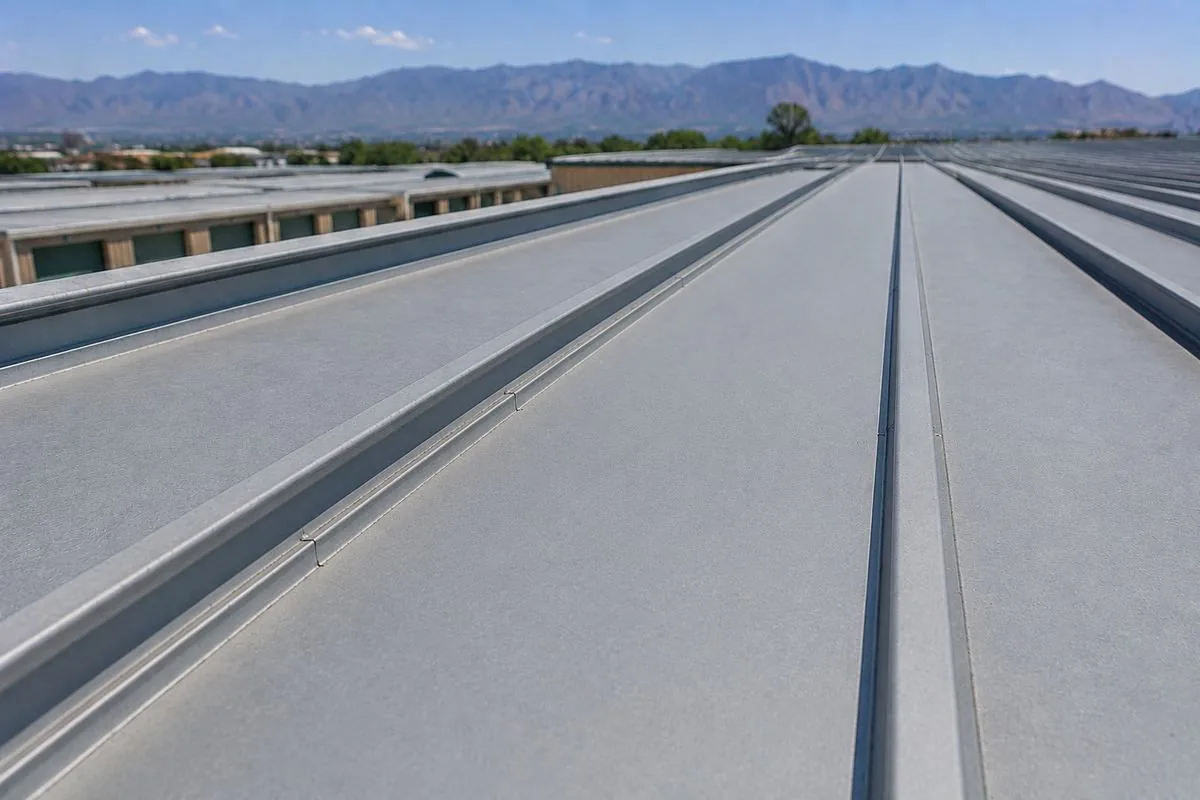
What Actually Separates Metal Roofing Price Tiers
For exact dollar figures, see our general Roof Cost Guide. Every roof's total depends on size, pitch and tear-off complexity, so a single number here would be a guess. What helps is knowing which factors move a metal quote the most, since those hold no matter how big your roof is:
| Panel profile | Standing-seam (concealed clip fastening, no exposed screws) costs more than exposed-fastener panels like Zia Rib, PBR or corrugated, mainly due to install labor and precision, not raw material cost. |
|---|---|
| Gauge | Thicker gauge (a lower number, like 24 vs. 26) resists denting and oil-canning better and costs more per square. Matters most on larger, more visible roof planes. Zia makes its A-Lock Standing Seam in 24 gauge, Zia Rib in 24, 26 or 29 gauge, and PBR, PBU and corrugated in 24 or 26 gauge. |
| Coating system | The paint/coating system is what protects the metal against Albuquerque's UV exposure over decades. A weak coating on a thick panel can underperform a better coating on a thinner one, so coating quality deserves as much attention as gauge. The Zia panels we install use Sherwin-Williams WeatherXL paint, warrantied 40 years against cracking, flaking and peeling and 30 years against chalking and color change. |
Why Standing-Seam Costs More Than the Material Alone Suggests
Standing-seam's concealed clip system lets panels expand and contract with Albuquerque's day-to-night temperature swings without punching through the metal or stressing a seam. That same mechanism is what gives it its long lifespan. The system takes more time and precision to install correctly than a simpler exposed-fastener panel, which is why standing-seam carries a labor premium beyond the raw material cost. You're paying for a harder installation done right.
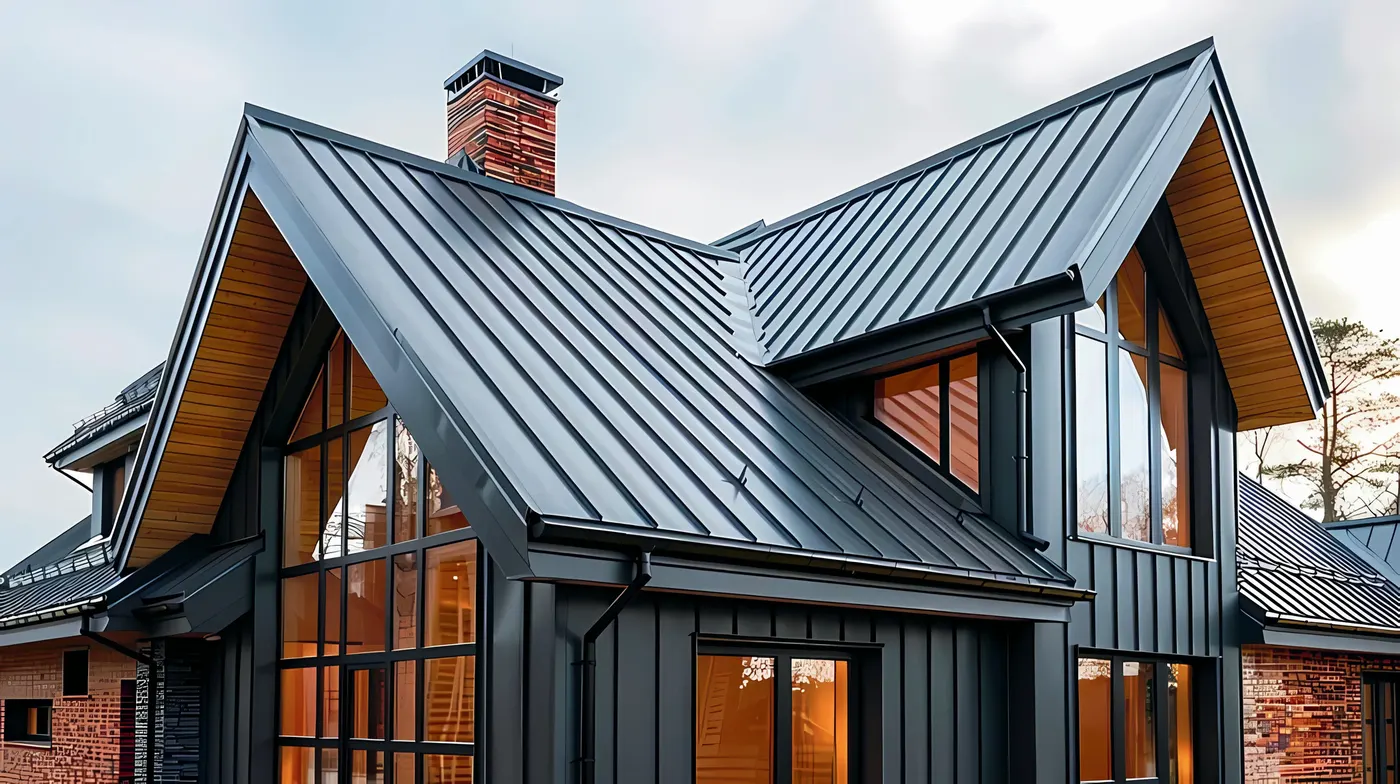
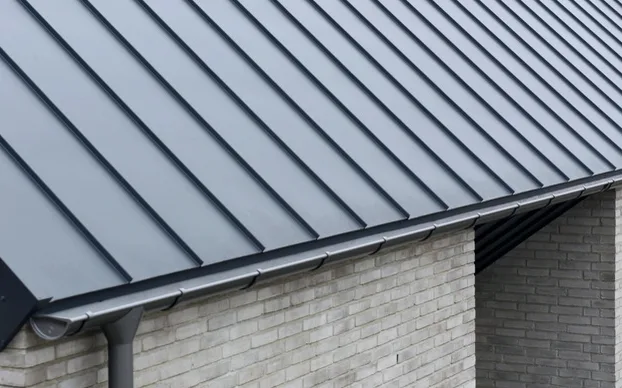
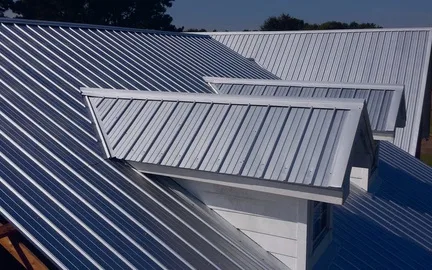
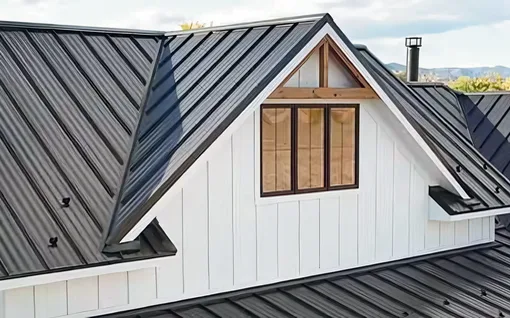
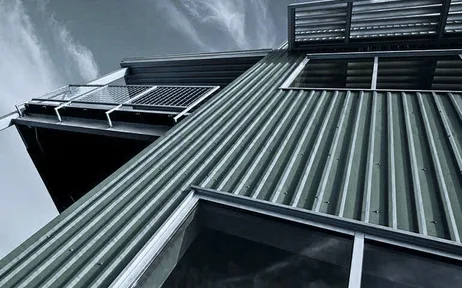
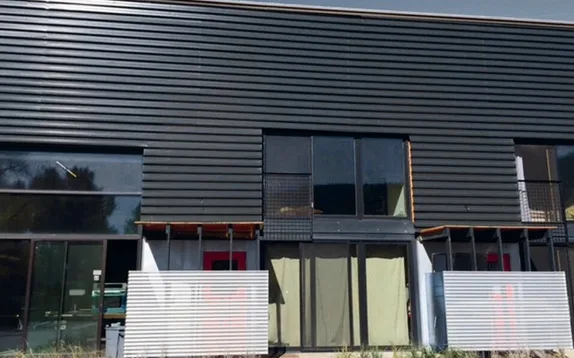
Examples of metal roof installations
The Long-Term Math
Metal typically costs more upfront than asphalt shingle, but it also lasts roughly two to three times longer. Spread over the actual service life, the cost-per-year gap is much smaller than the sticker price difference suggests, and it can favor metal outright if you're staying in the home long-term. The math flips if you're planning to sell within a few years. See our asphalt shingle cost breakdown for the comparison point.
What Actually Moves the Price on a Metal Job Specifically
- Decking and underlayment: Zia's specs call for 5/8" plywood with 30 lb underlayment under A-Lock Standing Seam, and 7/16" OSB with synthetic underlayment under Zia Rib. A good quote says exactly what goes under your panels.
- Roof complexity: More valleys, penetrations and cuts add more labor time on metal than on shingle, since panel seams and flashing details take more precision to get watertight.
- Coating warranty terms: Ask what the coating warranty covers versus the structural/material warranty. These are often two separate documents with different terms.
Comparing Metal Quotes
If two contractors quote noticeably different prices for what sounds like the same metal roof, ask about panel profile, gauge and coating system before comparing totals. Those three things explain most of the spread, more than contractor markup does. A quote that's vague on gauge or coating type is worth a follow-up question before you compare it to anything else.
Frequently Asked Questions
Why does standing-seam cost more than exposed-fastener metal panels?
Standing-seam uses concealed clip fastening that lets panels expand and contract without punching through the metal, and that takes more labor and precision to install correctly. Exposed-fastener panels are simpler and faster to install. That labor difference, more than the raw material, accounts for most of the price gap.
Does a thicker gauge always mean a better roof?
Thicker gauge (a lower number, like 24 vs. 26) resists denting and oil-canning better and generally costs more, but the coating system matters at least as much for long-term performance in Albuquerque's UV and thermal-cycling conditions. A thick panel with a weak coating can underperform a thinner panel with a better one.
How does metal's higher upfront cost compare to asphalt over time?
Metal typically costs more upfront but lasts roughly two to three times longer than asphalt shingles, so the cost-per-year gap is much smaller than the sticker price suggests. It can favor metal outright if you're staying in the home long-term.
Does roof color or panel style change the price?
Style (standing-seam vs. panel profile) affects price more than color does. Color is mainly a coating and stocking question, though some specialty finishes carry a modest premium over standard colors.
Ready for a Free Roof Report?
It's free, and you're under no obligation. You'll know exactly where your roof stands.