

How Much Does a New Roof Cost in Albuquerque?
A new roof in Albuquerque is priced as a stack of parts: labor typically runs 40–60% of the total, materials 30–35% and tear-off and disposal 10–15%, plus a city permit fee. Asphalt shingle is typically the most affordable full-replacement option, while metal, tile and slate cost more upfront. Your exact price depends on material, roof size and pitch, tear-off complexity, and current material pricing. Cost guides that give you one number are guessing or selling, so below is what drives the range.
On this page
General Ranges by Material
- Asphalt shingle: typically the most affordable full-replacement option
- Metal roofing: higher upfront cost, longer lifespan; the math depends on how long you'll stay in the home
- Tile/slate: highest material cost, longest lifespan, fulfilled through vetted trade partners
- Flat/TPO: priced by square footage and membrane type, not typical shingle pricing
What Actually Moves the Number
More than material choice:
- Tear-off complexity: one layer vs. multiple layers of old roofing
- Roof pitch and accessibility
- Decking condition: rot found during tear-off adds cost, which is why a fixed quote before any inspection is a red flag
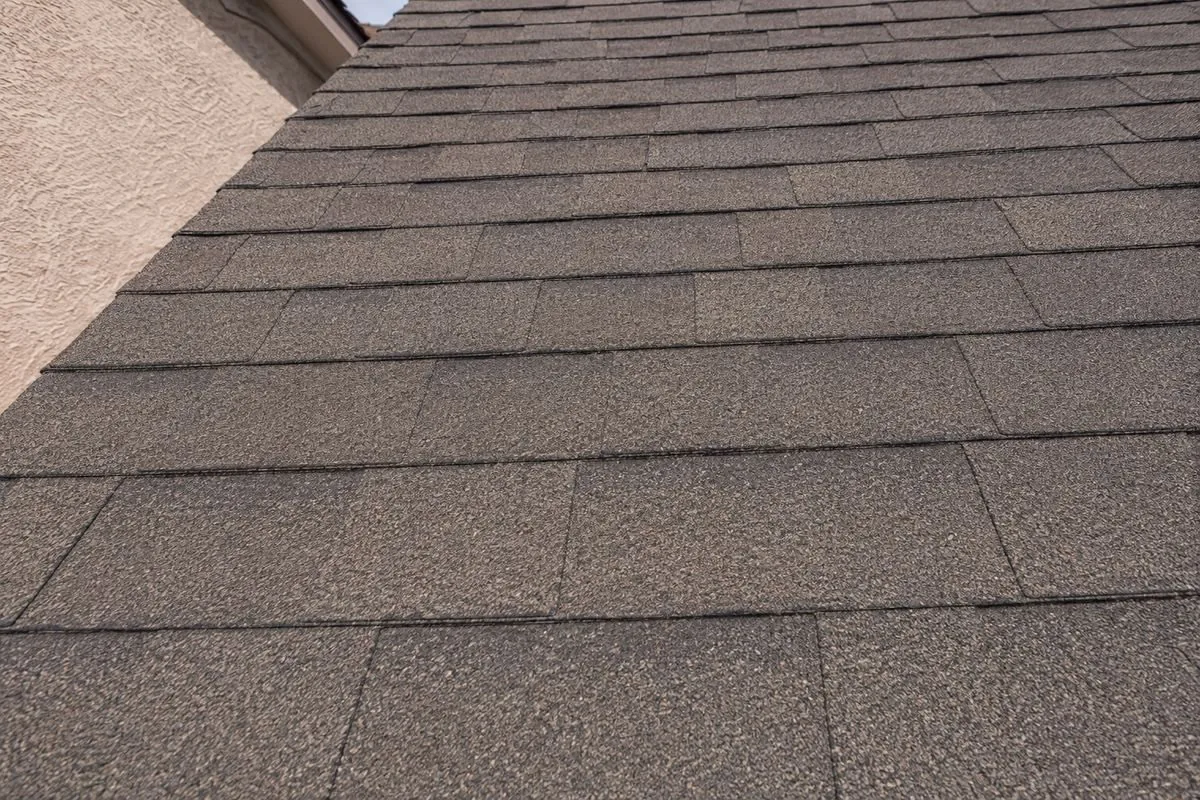
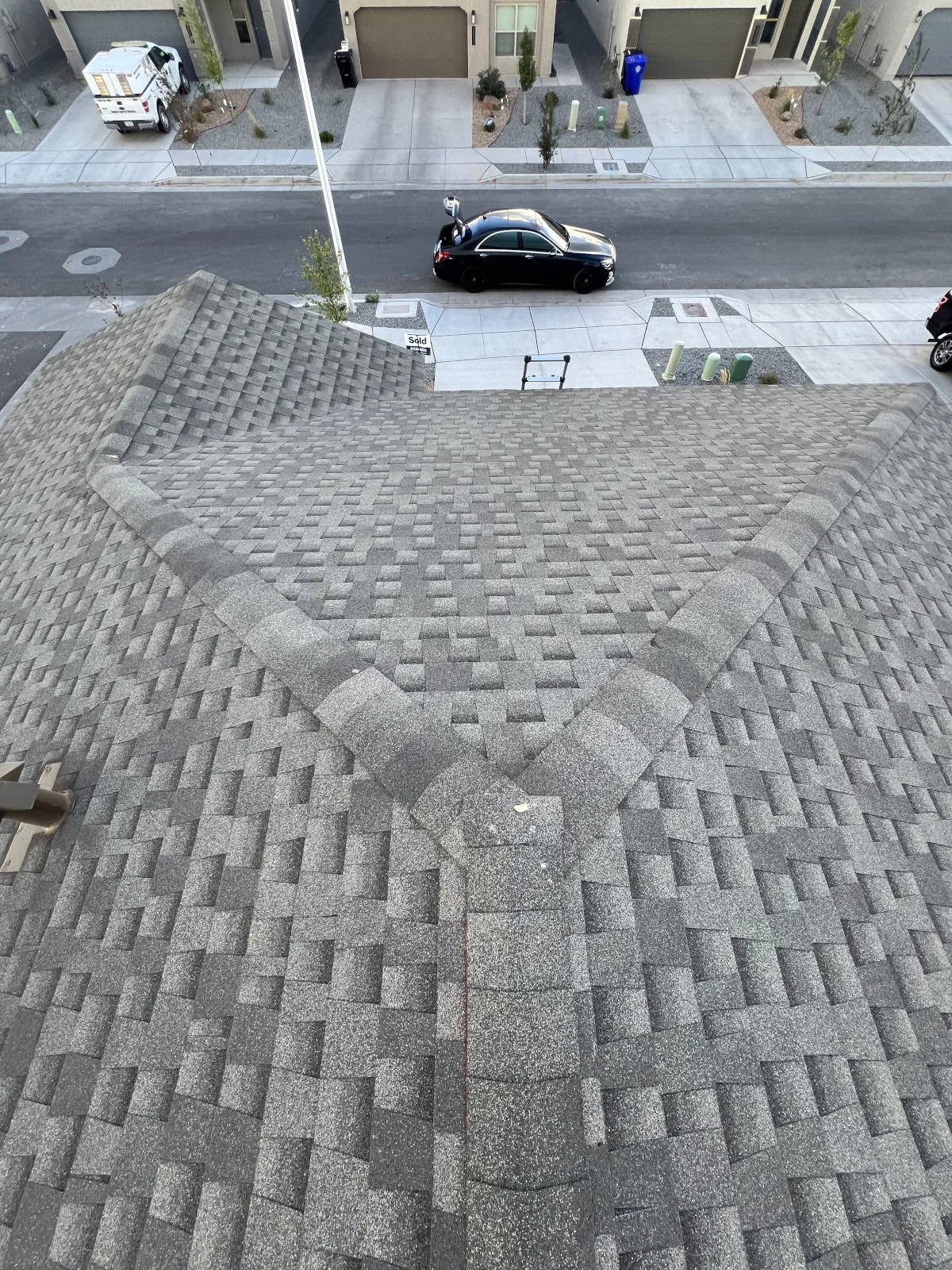
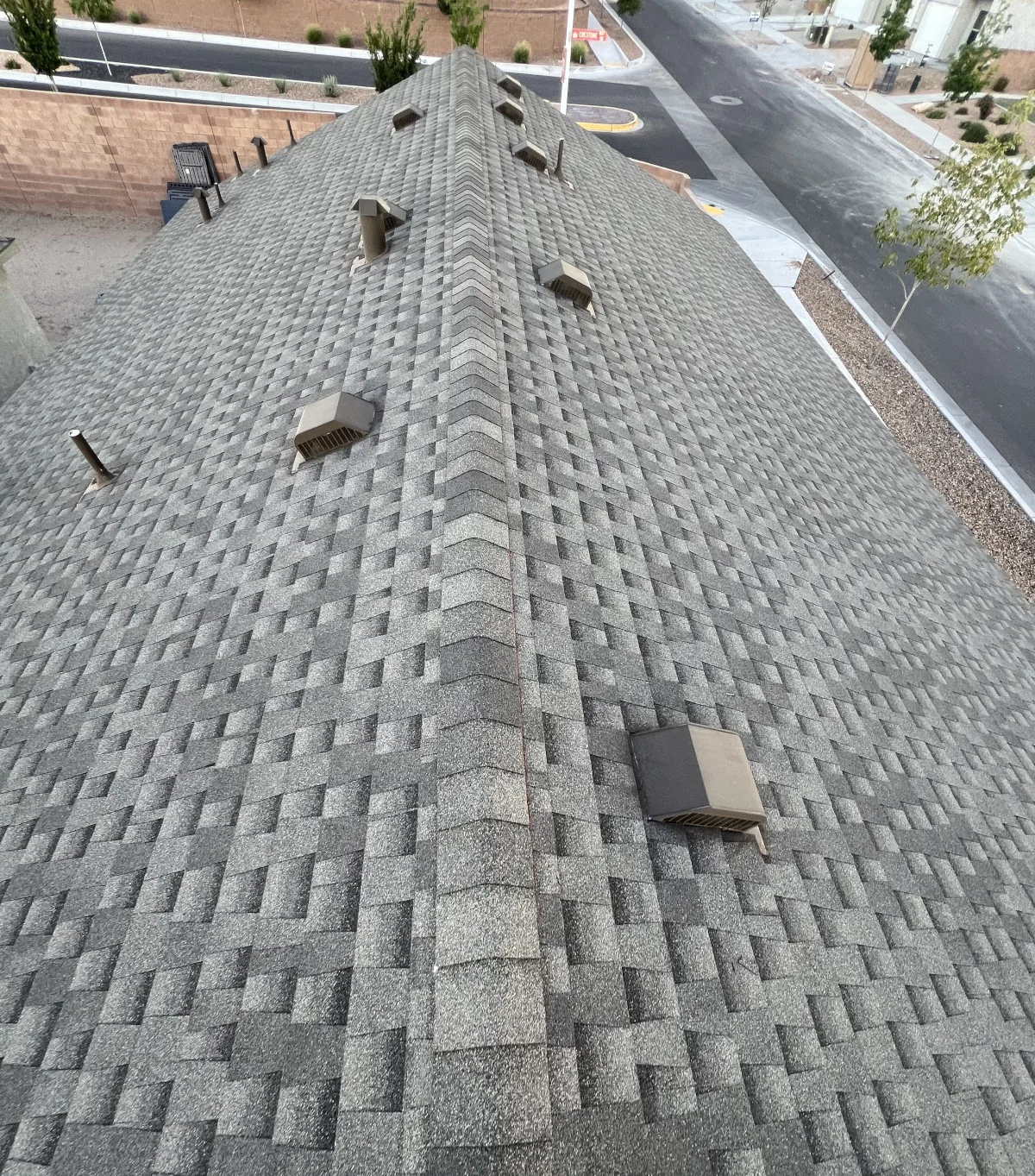
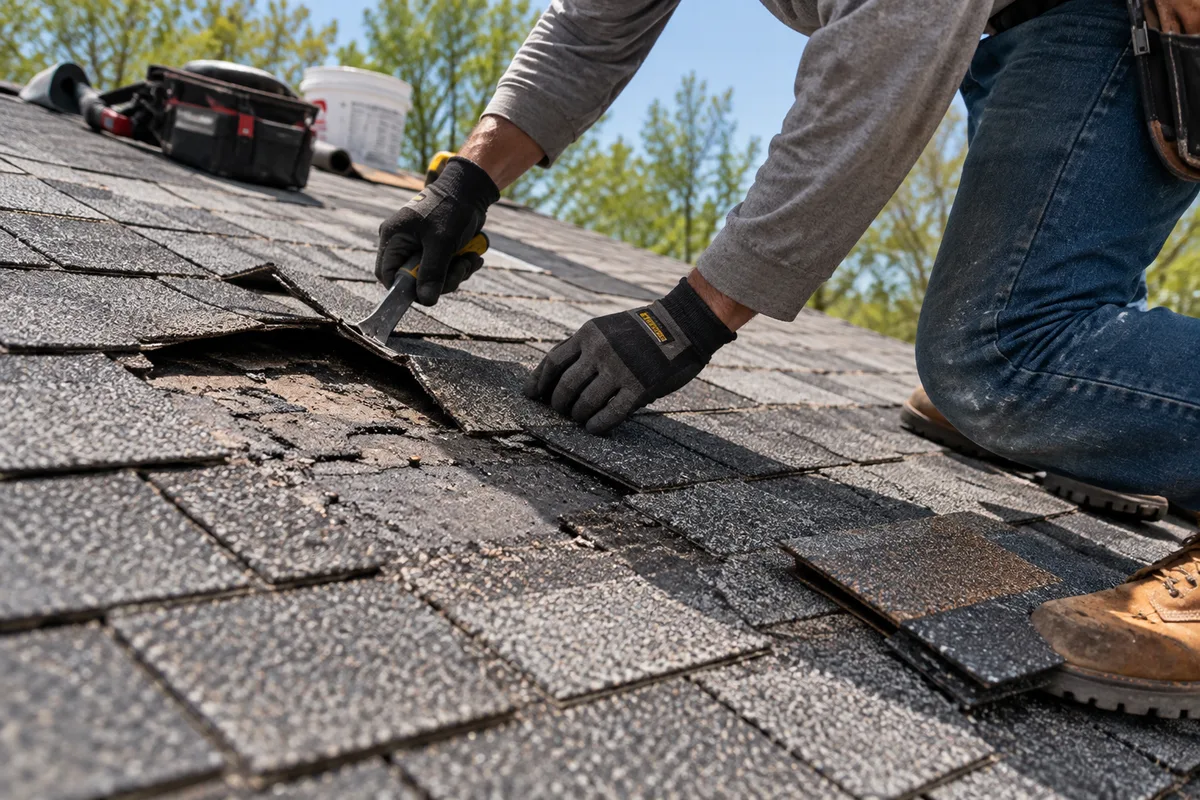
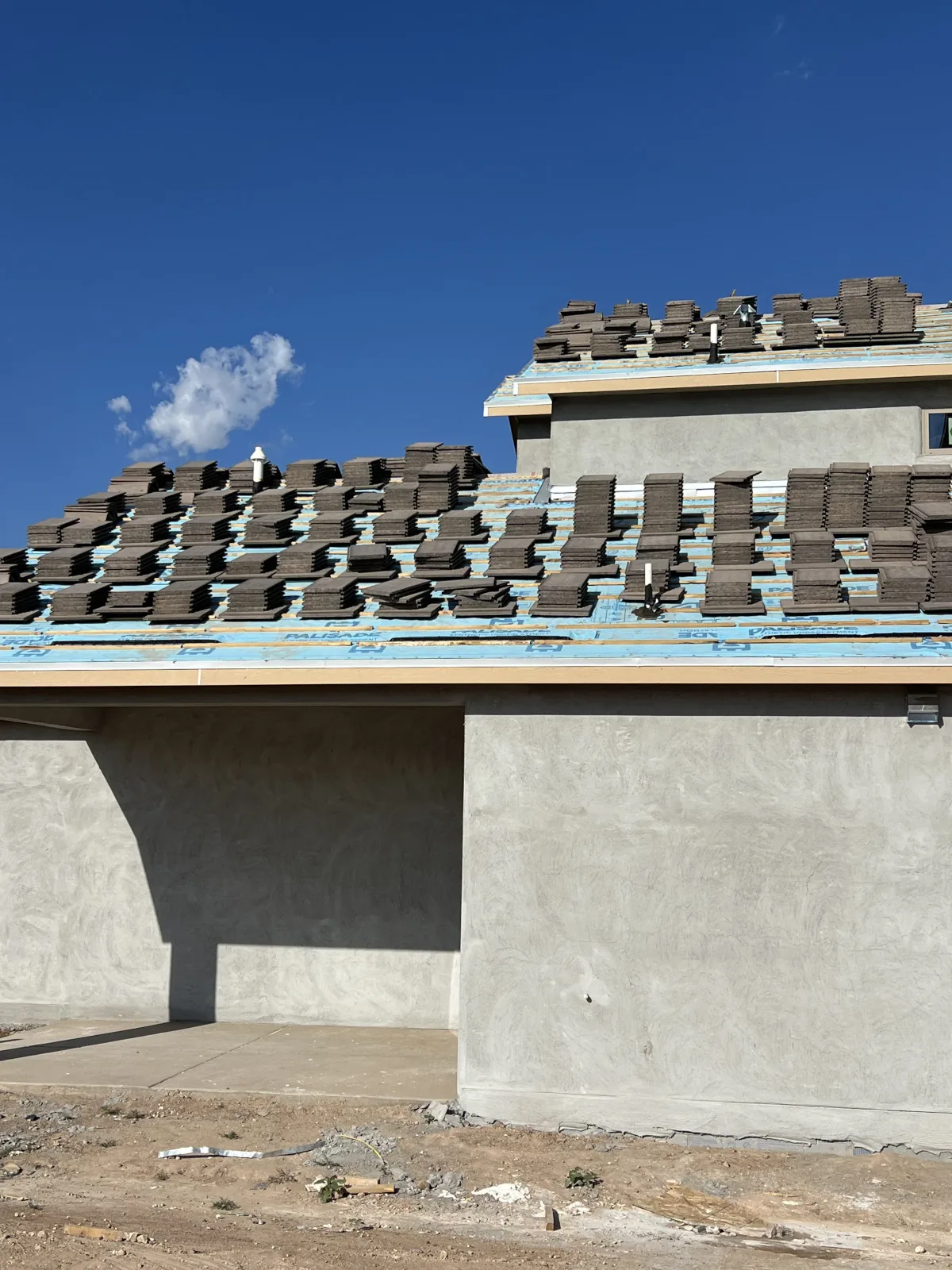
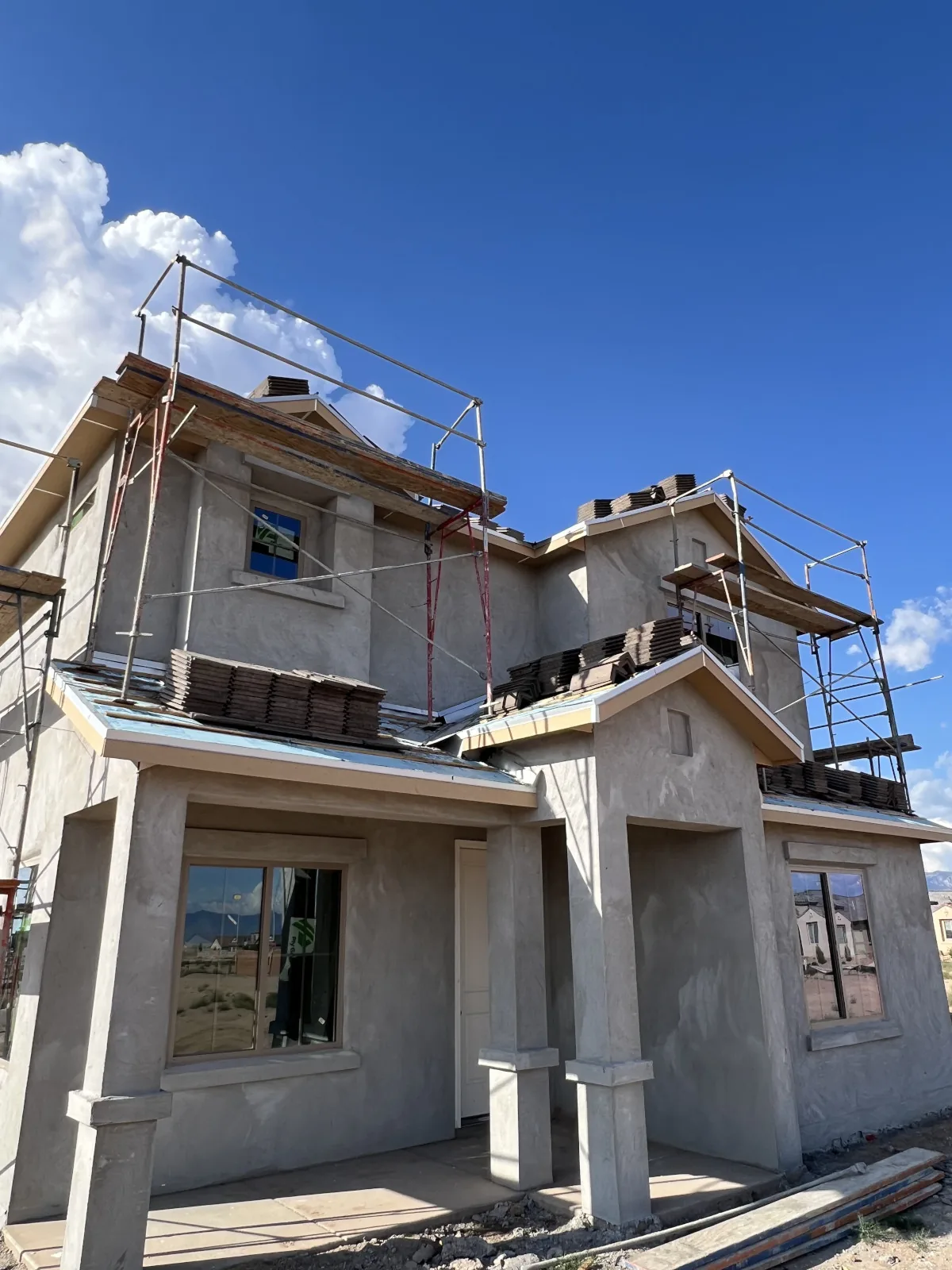
Examples of the roofs behind the numbers
Why a Quote Is Several Numbers Stacked Together, Not One
When a quote lands as a single total, it's easy to assume it's one flat cost. It's not. It's several distinct categories added together, and knowing what each one covers helps explain why two quotes for the same roof can look different. The two contractors may agree on price and just weight the categories differently. These are typical industry ranges, not numbers designed to sum to exactly 100% on every project; a specific quote's actual breakdown will vary.
| Labor | Typically 40–60% of the total. Covers removing the old roof and installing the new one correctly. It's also where corners get cut on lowball bids, since labor is the easiest category to shortchange without a homeowner noticing until problems show up later. |
|---|---|
| Materials | Usually 30–35% of the total, covering shingles or roofing material, underlayment, flashing, and fasteners. This is what most people focus on when comparing quotes, but it's rarely the biggest driver of price difference between contractors. |
| Tear-off & disposal | Generally 10–15% of the total. Costs more with multiple layers to remove, or heavier material. Tile and slate cost more to remove than asphalt shingles. |
| Permits & overhead | The remainder: permit fees, inspections, and the contractor's insurance and business costs. Most likely category to be missing from a bare-bones quote, and if it's missing, treat that as a red flag. |
Permits in Albuquerque Specifically
The City of Albuquerque requires a permit for most full roof replacements, confirmed directly by the city's own Building Safety guidance. The fee depends on the project, so ask for the permit to be listed as its own line on your estimate. The exact number depends on your specific project's declared value, so the city's own fee estimator tool is the most reliable place to check a current figure rather than relying on a number from any single source, including this one.
One detail specific to Albuquerque's permit process: building inspectors reviewing a roofing permit application check attic ventilation against current code. If your attic is under-ventilated by today's standard, bringing it up to code can become a condition of permit approval. It's a requirement to pass inspection, and it isn't an optional upsell. If your attic hasn't been evaluated for ventilation in years, budget some flexibility for this.
What This Means Practically
- A quote missing permit costs entirely is worth questioning. It likely means the cost shows up later as a surprise, or the permit isn't being pulled at all
- Ask what happens if decking damage is found during tear-off. It's a common, legitimate additional cost, but it should be discussed upfront with a clear per-sheet or per-hour rate
- If your attic hasn't been evaluated for ventilation in years, budget flexibility. A code-required upgrade during a permitted replacement isn't unusual here
What Separates a Low Bid from a High Bid
When you receive multiple quotes for the same project, significant differences in price almost always come down to one or more of these factors:
One thing to check on any bid: whether it covers shingles alone or a complete manufacturer system. Our shingle roofs are complete GAF systems (starter strip, leak barrier, roof deck protection, ridge cap and ventilation), which is what qualifies them for GAF’s stronger system warranties.
- Material quality: Is it 3-tab vs. architectural? Standard vs. Class 4? Entry-level vs. premium shingle?
- Underlayment specification: 15 lb felt vs. 30 lb felt vs. synthetic? Ice-and-water shield in valleys only vs. full coverage?
- Permits: Some contractors skip permits to cut cost; this voids manufacturer warranty and creates problems at resale
- Insurance & licensing: Unlicensed/uninsured contractors often bid lower; your liability exposure if something goes wrong is significant
- Fastener pattern: 4 nails per shingle vs. 6 nails (code in high-wind zones) makes a real difference in wind resistance
- Decking inspection: Some bids exclude decking replacement; others include a realistic allowance
Timberwolf provides detailed, itemized written estimates so you can compare line-by-line instead of looking only at the total price. We're transparent about what's included and what it would cost to upgrade or add.
Insurance and Financing
If storm damage is behind your replacement, your homeowner policy may cover most of the cost. See how we help with insurance claims, how to file a roof claim in New Mexico, and what ACV vs. RCV means for your payout.
If you're paying out of pocket, our financing guide walks through the common options, and these red flags are worth knowing before you sign anything.
Frequently Asked Questions
Why won't you just give me one number?
Because an accurate number requires seeing your specific roof. Anyone quoting sight-unseen is guessing.
Is the cheapest quote the best deal?
Not usually. A quote significantly below others often means shortcuts on materials, underlayment, or tear-off. Ask exactly what's included before comparing price alone.
Why do quotes from different contractors vary so much for the same roof?
Often neither one is overcharging. They may be weighting labor, materials, and overhead differently, or one may be including work (like decking inspection or ventilation review) that another left out entirely.
Does a cheaper quote always mean lower quality?
Not always, but it helps to ask specifically what's included. Permits, decking contingency and disposal should all be accounted for somewhere in any legitimate bid.
Is the permit fee something I pay directly, or does the contractor handle it?
Contractors typically pull the permit and include the fee in the total quote, but it's worth confirming this explicitly rather than assuming.
Ready for a Free Roof Report?
It's free, and you're under no obligation. You'll know exactly where your roof stands.