

Tar and Gravel Roofs in New Mexico: Repair, Replace, or Upgrade
Built-up roofing (tar and gravel) was the standard flat-roof system in Albuquerque for decades, and millions of square feet of it are still in service. We repair existing BUR systems and help homeowners evaluate whether upgrading to a modern membrane makes sense.
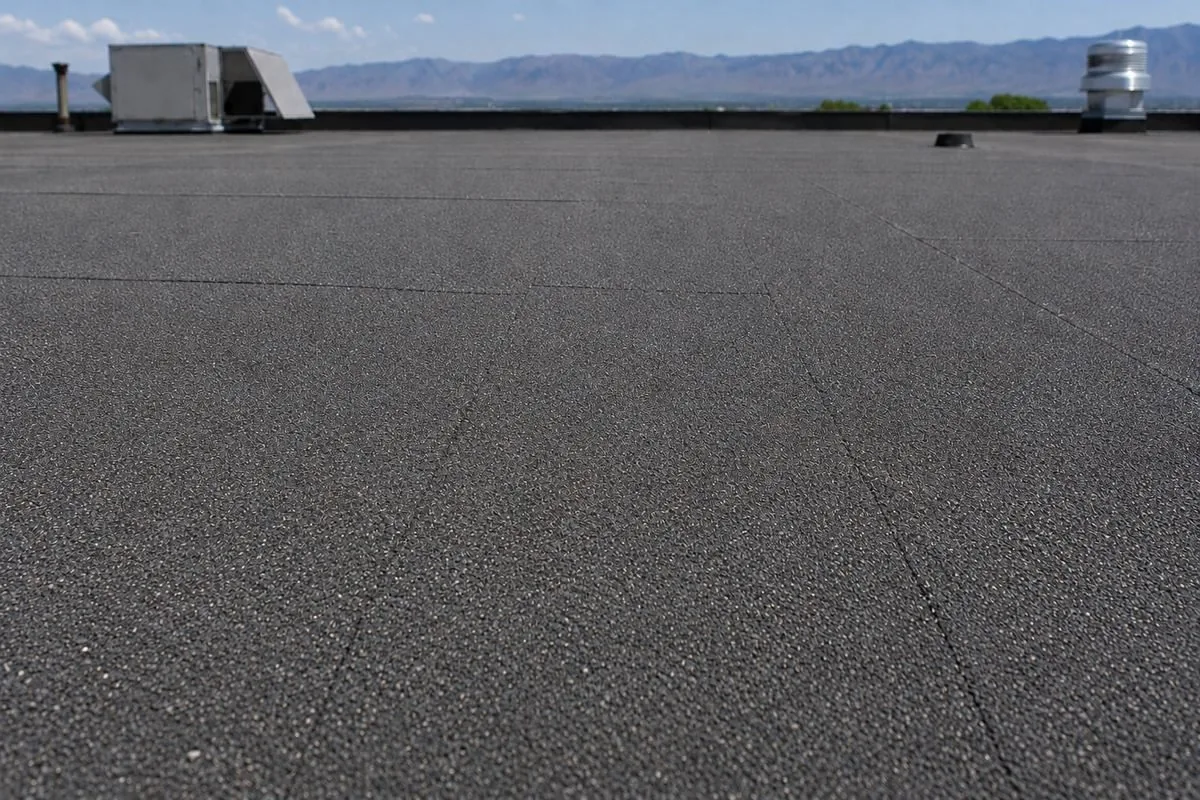
What Is Tar and Gravel Roofing?
Built-up roofing (BUR), commonly called tar and gravel, is a multi-ply system consisting of alternating layers of bitumen (asphalt or coal-tar pitch) and reinforcing felt or fiberglass ply sheets, topped with flood-coated bitumen and a ballast layer of gravel. A properly installed BUR system has built-in redundancy, since water has to penetrate multiple layers before reaching the deck. A well-maintained roof in New Mexico's relatively dry climate can last 20–30 years.
Older built-up roofs sometimes have pumice or granular fill under them, which New Mexico's code requires removing before a new roof goes on.
BUR does have drawbacks. It's heavy, it requires torch or hot-mop equipment to install and repair, and it becomes brittle over time in New Mexico's high-UV, high-temperature environment. Once granule loss begins and the surface bitumen oxidizes, water infiltration accelerates quickly.
Common Repairs for Tar-and-Gravel Roofs
- Blister repair. BUR blisters form when moisture trapped between plies turns to vapor under summer heat. Small blisters under 12 inches can be cut, dried, reseated, and patched. Larger or interconnected blisters usually mean the ply has delaminated and a larger section needs replacement.
- Crack and alligatoring repair. Oxidized bitumen develops a cracked, alligator-skin pattern. Surface cracks can be filled with elastomeric coating, but deep cracking through multiple plies requires cutting out the section and installing new ply material.
- Flashing re-termination. Parapet wall flashing, canale bases, and penetration flashings are the most common entry point for water in an otherwise sound BUR field. Re-terminating the counter-flashing and reseating the base flashing extends the life of the roof significantly.
- Re-graveling thin sections. Wind and rain wash gravel off low-slope roofs over time. Thin or bare sections expose the bitumen surface to UV degradation. Adding gravel back to bare areas significantly slows further deterioration.
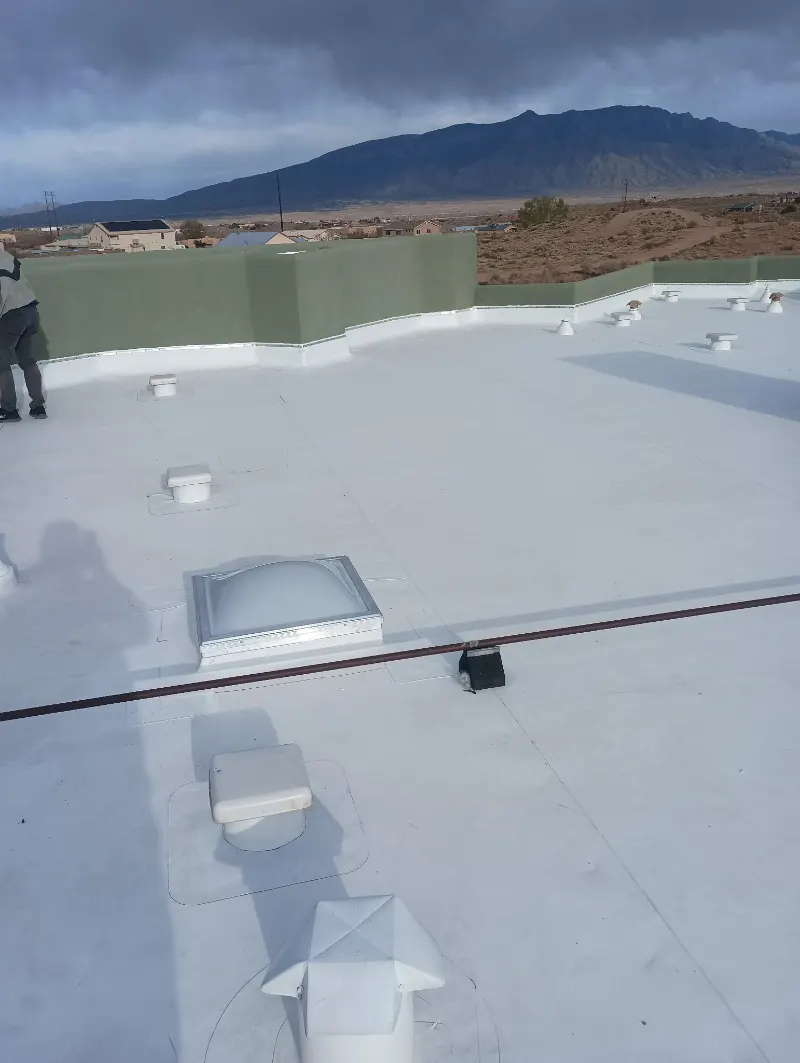
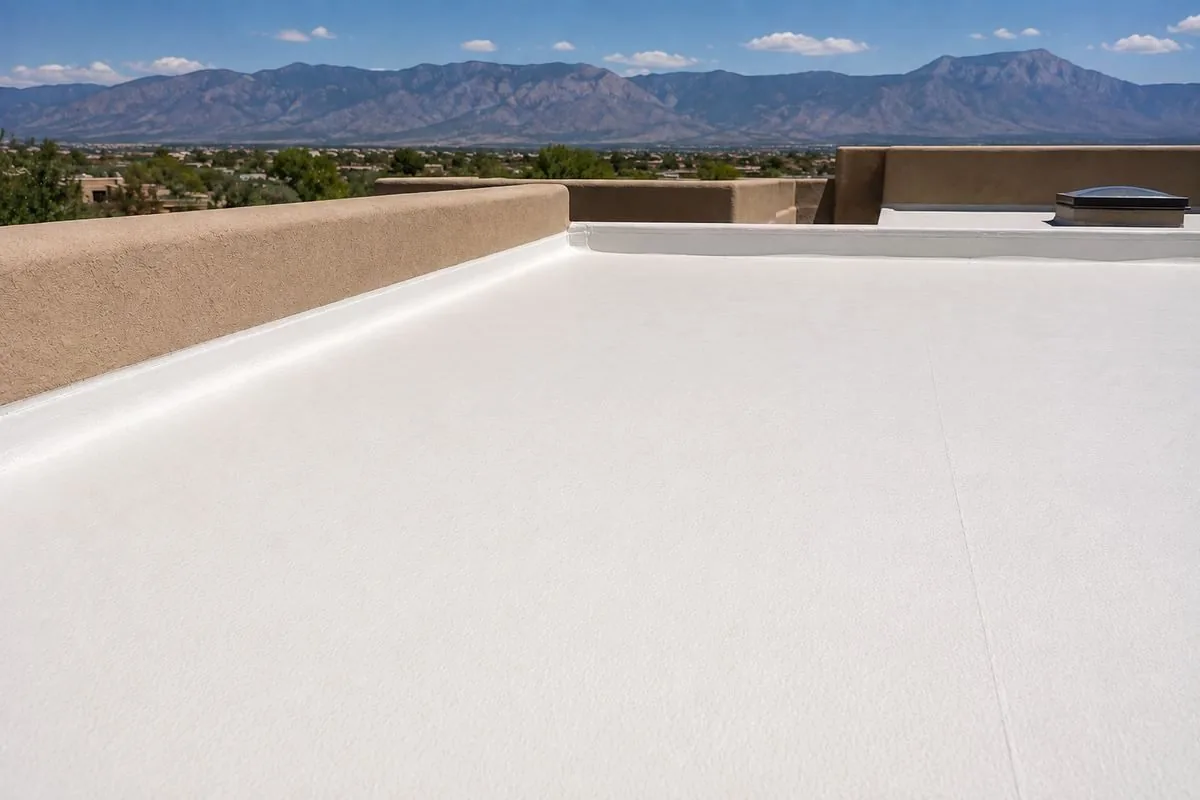
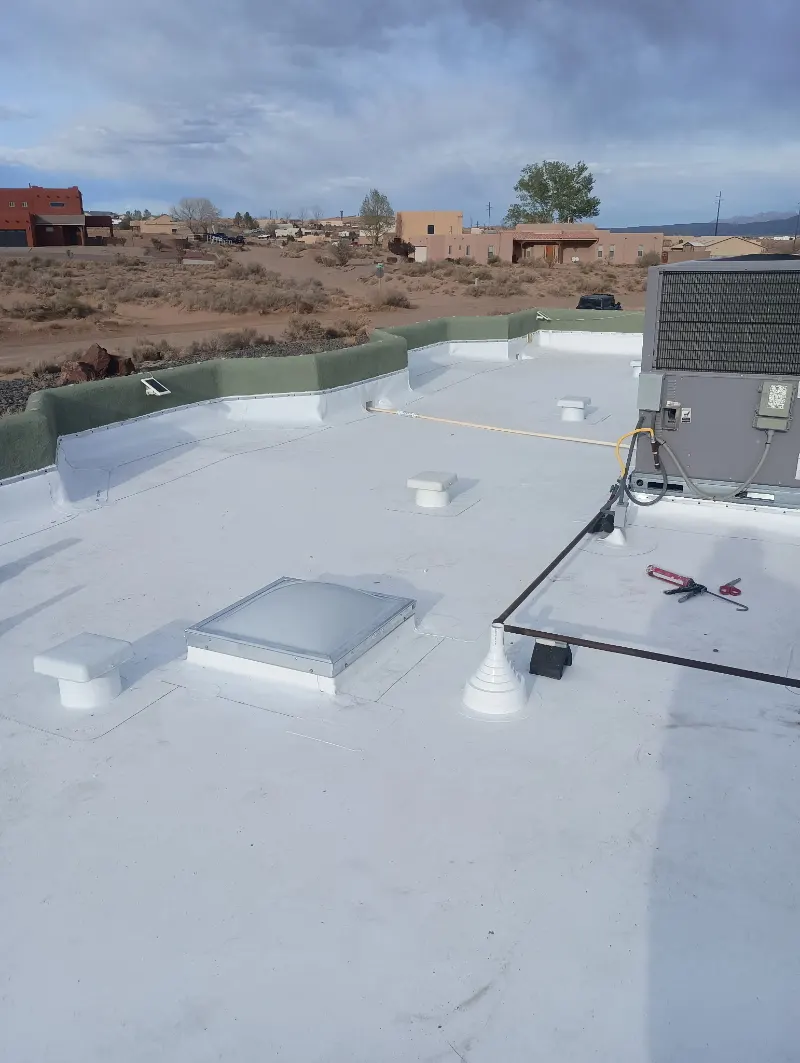
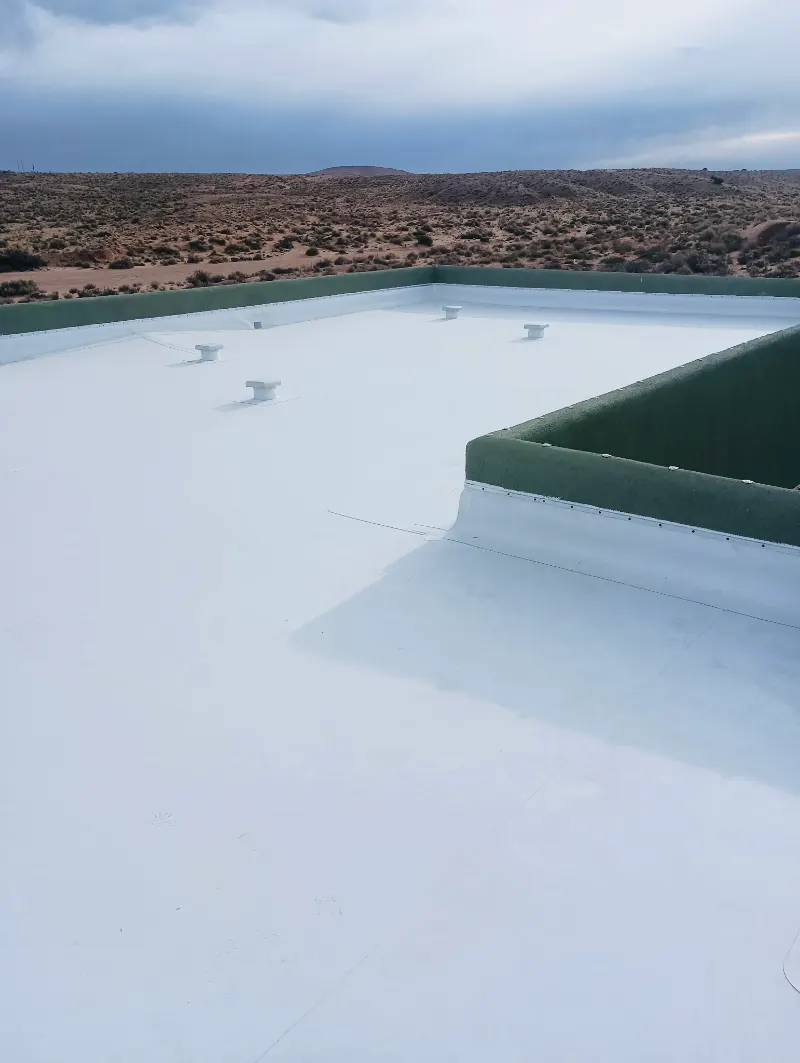
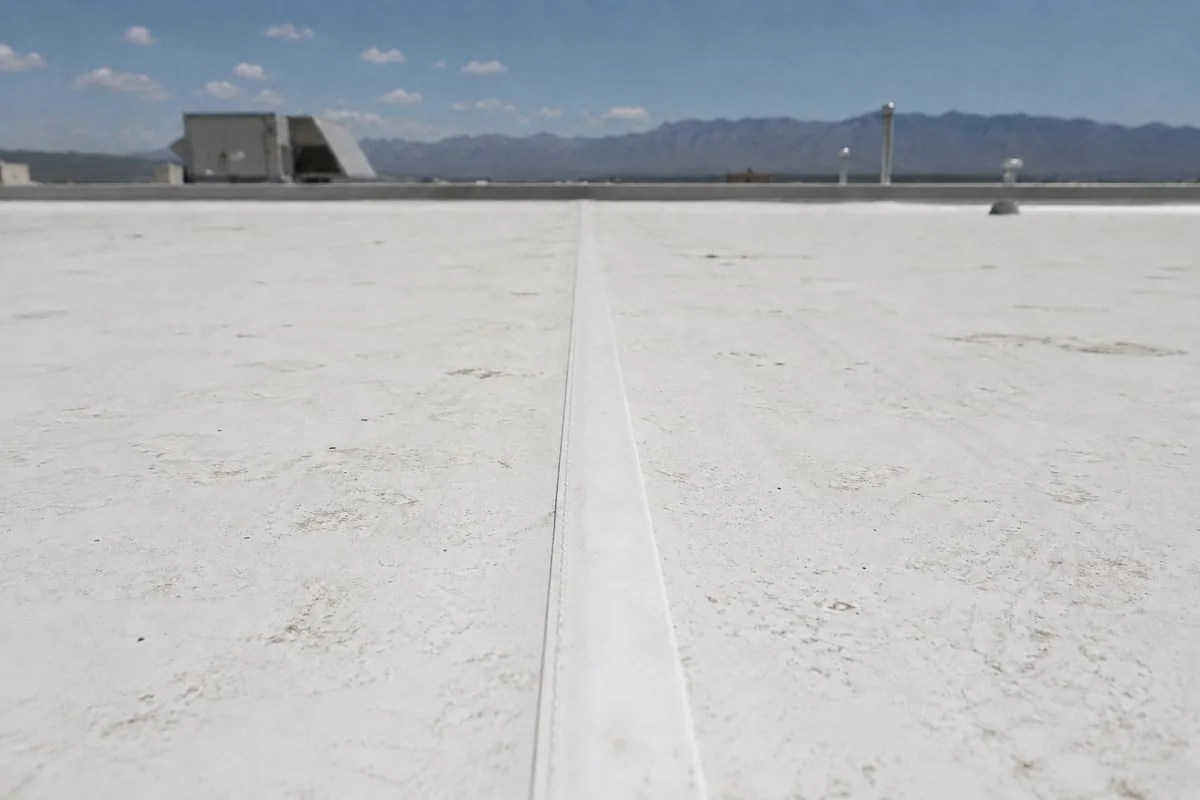
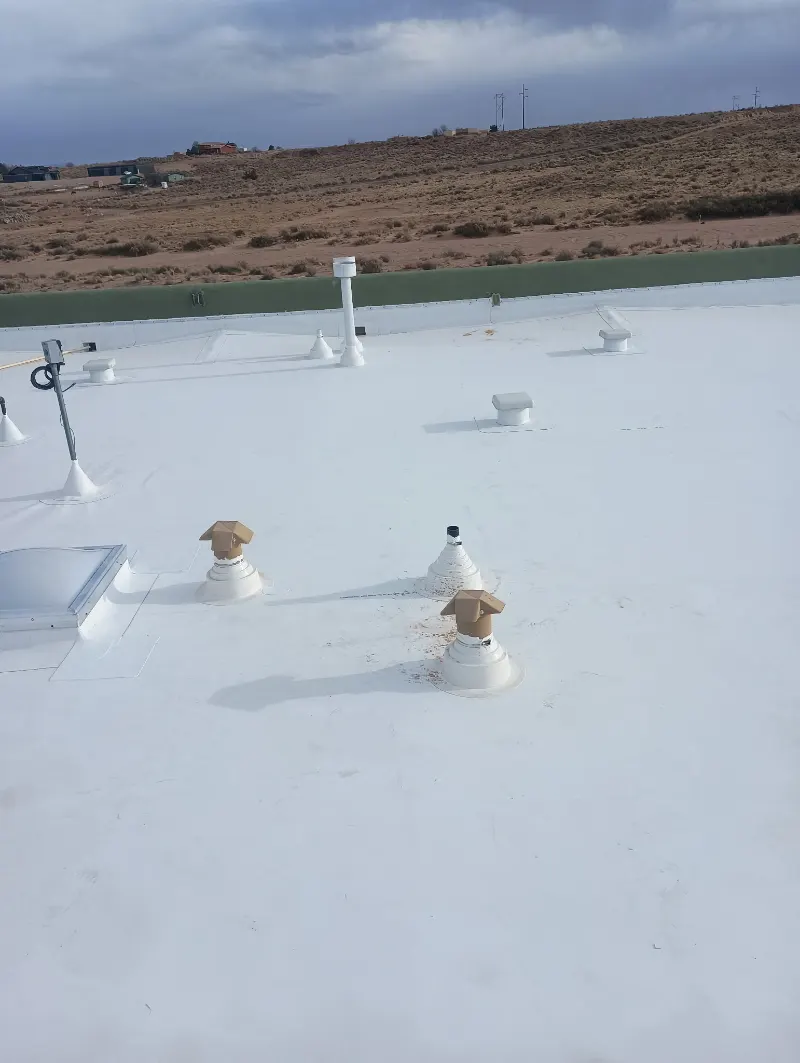
Examples of flat roof systems
When to Consider Converting to TPO or Modified Bitumen
If your tar-and-gravel roof is past the 20-year mark, showing widespread alligatoring, or has had multiple repair events in recent years, full tear-off and replacement with a modern single-ply or modified bitumen system is often more cost-effective than continued patching. These are the options we usually compare:
- TPO (thermoplastic polyolefin) is lighter, heat-weldable at seams, and highly UV-resistant, which is a significant advantage with Albuquerque's 300+ sunny days per year. GAF EverGuard TPO carries a 15- or 20-year manufacturer warranty when installed by a certified contractor.
- Modified bitumen (SBS or APP) is the modern evolution of BUR. It's still an asphalt-based system, but polymer modification dramatically improves its flexibility at low temperatures and its resistance to cracking. It's easier to install and repair than traditional BUR.
- Roof coatings can extend the life of a sound BUR roof by 5–10 years at a fraction of the cost of replacement, provided the underlying membrane and deck are still structurally sound. We do moisture scanning to determine if a coating is appropriate before recommending it.
What a Tar-and-Gravel Roof Inspection Includes
When we inspect a BUR roof as part of our free roof report, we document:
- Gravel coverage and UV degradation of exposed bitumen surfaces
- Blister count, size, and location
- Flashing condition at all penetrations, parapets, and canale bases
- Deck soundness (soft spots, delamination evidence)
From that inspection, we give you a clear picture of what's repairable, what has realistic remaining life, and what the cost comparison looks like between continued repair and replacement.
Frequently Asked Questions
How long does a tar-and-gravel roof last in New Mexico?
A properly installed BUR roof typically lasts 20–25 years in Albuquerque's climate. UV intensity and thermal cycling are harder on bitumen here than in cooler or cloudier climates, so expect the lower end of that range if the roof went on before 2005 and hasn't been re-coated. Annual inspections and prompt blister repair can push it to the upper end.
Can I put a new membrane over an existing tar-and-gravel roof?
Building codes generally allow one re-roof over an existing membrane, but we strongly recommend against recovering a BUR roof that has blistering or moisture infiltration. Trapping existing moisture under a new membrane leads to premature failure. If the BUR is in good condition, a modified bitumen recover sheet can add years of life; if it isn't, tear-off is the better investment.
My tar-and-gravel roof is leaking. Can you patch it, or does it need full replacement?
It depends entirely on where the leak is and the condition of the surrounding roof. A flashing failure at a single penetration is almost always worth patching. Widespread membrane failure, saturated insulation, or structural deck damage points toward replacement. We'll give you that assessment at no charge during the free roof report.
Free Tar-and-Gravel Roof Assessment
We'll tell you whether repair, recover, or replacement is the right call for your roof.
Request Your Free Roof Report