

Emergency Roof Repair in Albuquerque: Fast Response When It Can't Wait
Active leaks and storm damage don't wait for a convenient time. This page is for urgent calls: anything actively causing damage inside your home.
On this page
What Counts as an Emergency
Not every roof problem needs a same-day response, and we'd rather tell you that than sell you urgency you don't need. What can't wait is anything actively letting water or weather into the building.
- Active water intrusion: water coming in now, or every time it rains
- Storm-caused structural damage, including anything that has come through the deck
- Missing sections of roof after high wind, which is the failure mode our spring wind season produces most
- A tree limb or debris resting on the roof after a storm
- Water showing up near light fixtures, outlets, or the electrical panel. Treat this one as urgent regardless of volume
A stain that's been on the ceiling since last summer is a real problem worth fixing, but it's a scheduled repair, not an emergency. Call either way and we'll tell you which one you have.
What To Do Right Now, Before Anyone Arrives
The order matters here. Protect people first, then property, then documentation. Leave the roof itself alone.
- If water is anywhere near outlets, light fixtures, or your breaker panel, shut off power to those circuits before doing anything else. Water and electricity is the part of this that can hurt you.
- Move furniture, rugs, and electronics out from under the drip. Put a bucket or tote down, and a towel under that to stop splash.
- If the ceiling is bulging and holding water, a small puncture at the low point drains it into your bucket on purpose instead of the whole section letting go at once.
- Photograph everything before you clean up: the ceiling, the walls, the floor, the attic if you can see it safely, and anything damaged. Note the date and what the weather was doing.
- Don't get on the roof. Roofing is hazardous in good conditions and considerably worse wet, windy, or in the dark. There is nothing up there worth the fall.
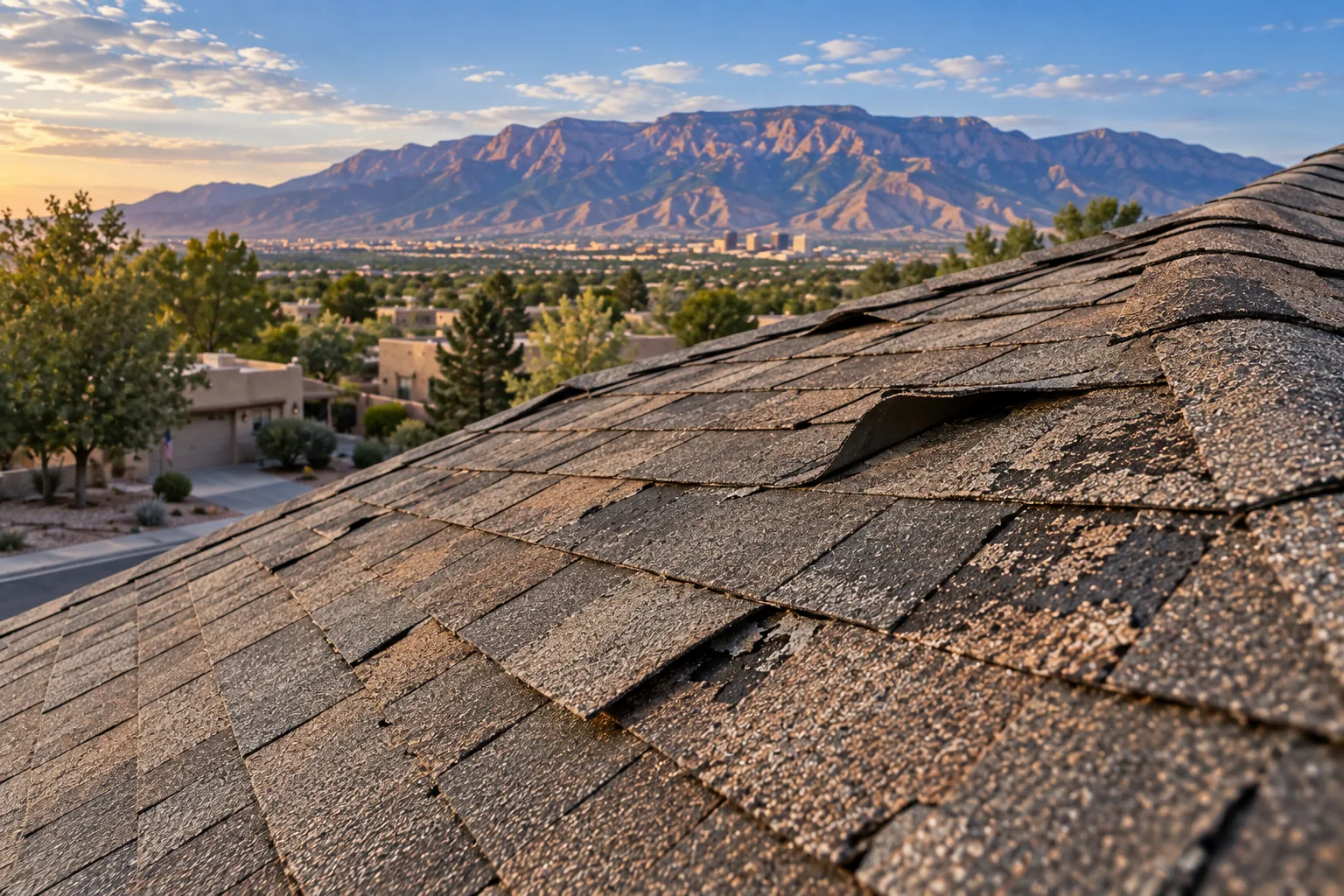
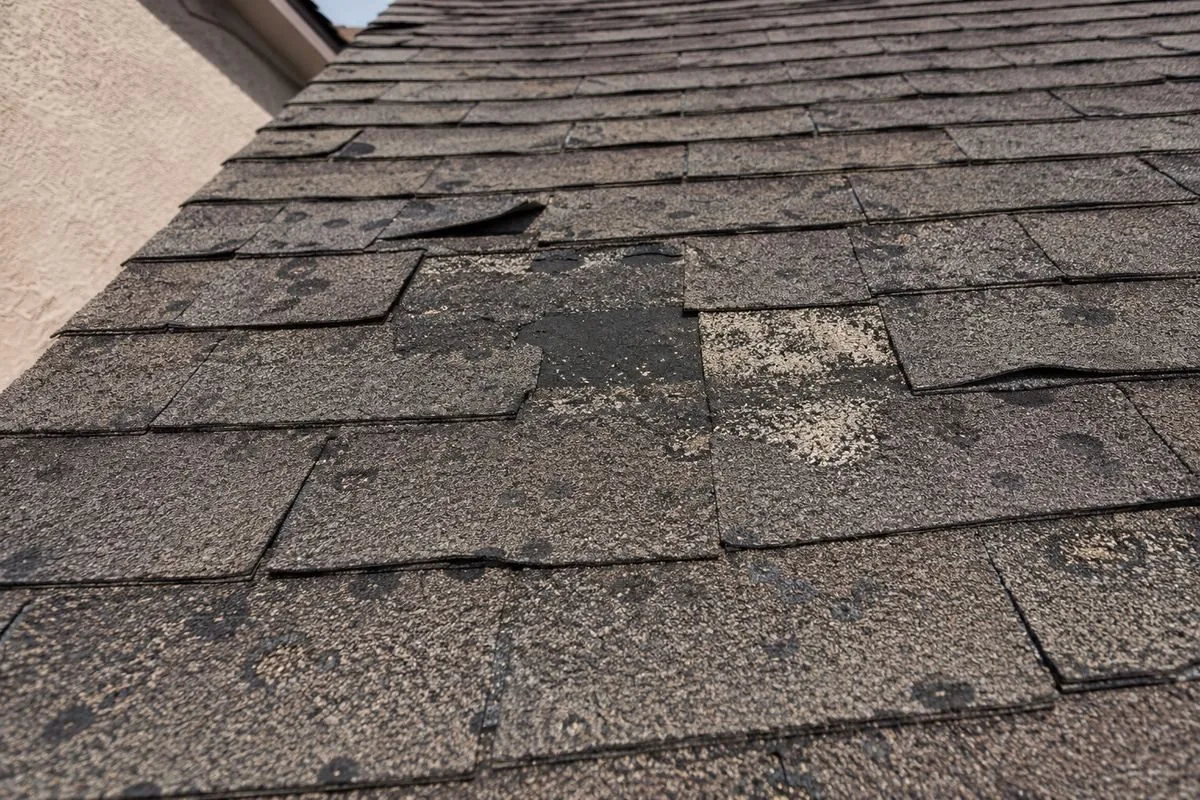
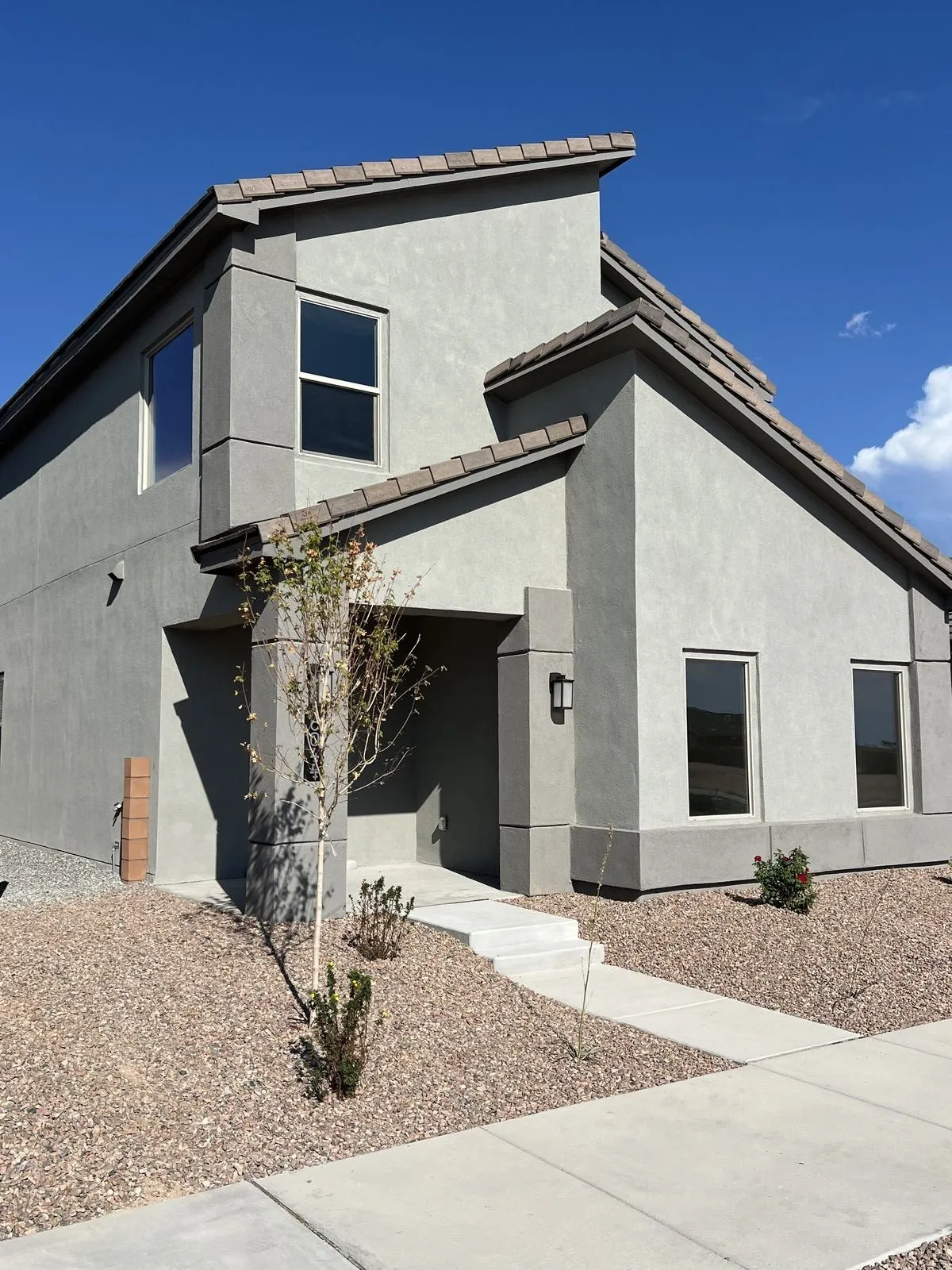
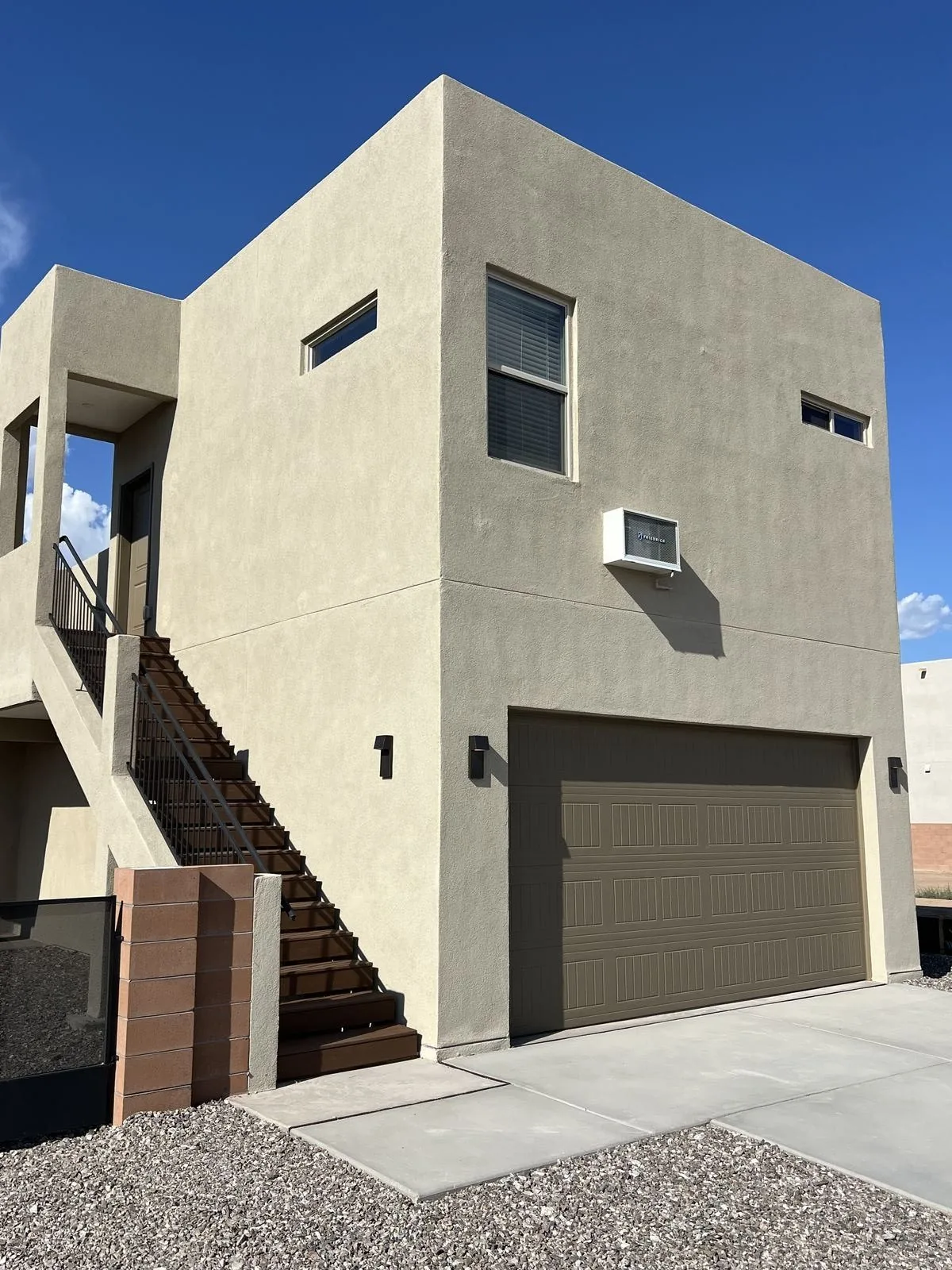
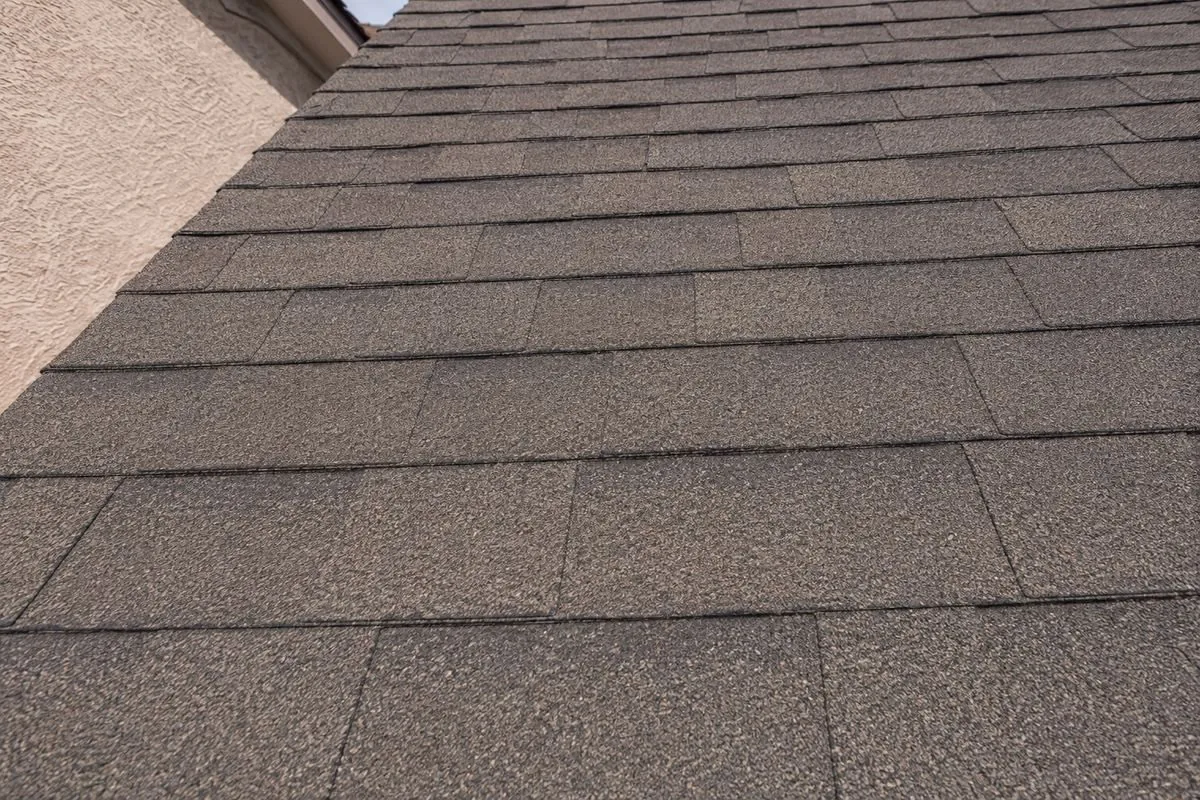
Examples of storm response
Why Acting Fast Protects Your Insurance Claim
Most homeowners don't know this part until it costs them. Every standard homeowners policy contains a duty to mitigate clause, which requires you to take reasonable steps to prevent further damage once you know about it.
Say a storm opens up your roof and you leave it open, and the next round of rain soaks the insulation and rots the drywall. Your carrier then has grounds to deny that secondary damage. The original storm damage is still covered, but everything that happened afterward because nothing was done may not be. Temporary protection keeps you dry overnight, and it also keeps your claim intact.
The flip side works in your favor. Emergency tarping and temporary repairs made to stop further damage after a covered event are generally reimbursable. Keep every receipt, photograph the damage before and after the temporary fix, and report the claim promptly. Our insurance claims guidance walks through how the rest of the process works in New Mexico.
What We Do When We Get There
The first visit is about stopping the damage. The full repair comes later. We stabilize the roof with properly secured temporary protection over the breach, installed so it holds through the next storm instead of blowing off in the first gust.
When an emergency repair turns into a replacement, the new roof goes on as a complete GAF system, installed by a GAF Certified contractor.
We photograph the damage as we find it, before covering anything, because once a tarp is on, the evidence your adjuster needs is underneath it. Then we schedule the permanent repair at a time that works for you, with a scope you've seen and approved. Nobody should be signing off on a scope while standing in a wet hallway at ten at night.
Monsoon Season Changes the Math
Albuquerque gets a large share of its annual rainfall in a few weeks of intense summer storms. That causes two problems at once. The storms are heavy enough to find any weakness in a roof, and they come close enough together that a roof opened on Tuesday may take another soaking Thursday.
During monsoon season, the window between "small leak" and "saturated insulation and ruined drywall" is measured in days, not weeks. That's when calling right away matters most, and it's also when every roofer in town is busiest. So call at the first sign instead of waiting to see if it gets worse.
Frequently Asked Questions
How fast do you respond?
Emergency calls are prioritized same-day where possible. During monsoon season, when storms come through the metro in waves, response times at every roofing company in town stretch out. That's why it pays to call at the first sign of water instead of waiting to see whether it gets worse.
What should I do while waiting for help?
Protect people first, then property, then documentation. If water is near outlets, fixtures, or the panel, shut off those circuits. Move valuables out from under the drip and put a container down. Photograph everything before you clean up. Don't get on the roof. Roofing is hazardous in good conditions and considerably worse wet or windy.
Should I tarp the roof myself?
We'd rather you didn't, especially during or right after a storm. If a tarp is already going on, it should never be nailed straight through the shingles, because that puts new holes in the roof to fix old ones. Done properly, the edges get sandwiched between boards and the tarp runs over the ridge so water sheds off it instead of running under it.
Will insurance cover emergency repair and tarping?
Emergency tarping and temporary repairs made to stop further damage after a covered event are generally reimbursable. Keep every receipt and photograph the damage before and after. Your policy also contains a duty to mitigate clause, which means leaving a known breach open can give your carrier grounds to deny the damage that happens afterward.
What if it is still storming?
Call anyway so you're in the queue, but nobody should be on a roof in active lightning or high wind. We stage the response and move as soon as it's safe. In the meantime, the interior steps above are what limit the damage.
Ready for a Free Roof Report?
It's free and there's no obligation. You'll know where your roof stands.